
Make A Strong Rotator Cuff Recovery with Physical Therapy
Don’t Skip Your Physical Therapy Appointments After A Rotator Cuff Injury – Here’s Why!
It is estimated that as many as 2 million adults are diagnosed with rotator cuff injuries every year in the United States. Up to 80% of those patients initially choose non-surgical treatments, like physical therapy, to repair and recover from the injury rather than undergoing a surgical procedure. Research suggests that approximately 90% of patients have positive outcomes and improved function with physical therapy, especially when the rotator cuff injury is identified and treated early. The decision for surgical repair is typically based on factors such as the severity of the injury, the patient’s age and activity level, and their response to non-surgical treatments. Fortunately, physical therapy can help you prepare for surgery, promote healing, and improve your recovery whether you have surgery or not.
Whether you need surgery or not, recover stronger than ever with Physical Therapy for rotator cuff injuries.


Our Patients Get Great Results
“Staying healthy, happy, and maintaining your active lifestyle takes proactive care. Jay has never failed me! Recently I had a knee injury that the ortho doctor said was just age and wasn’t much that could be done. I met with Jay and he identified the issue and how to fix it and he gave me an excellent plan to address the pain. I hiked 10 miles today with no pain!! I highly recommend him.”
– T.B.

What is a Rotator Cuff Injury?
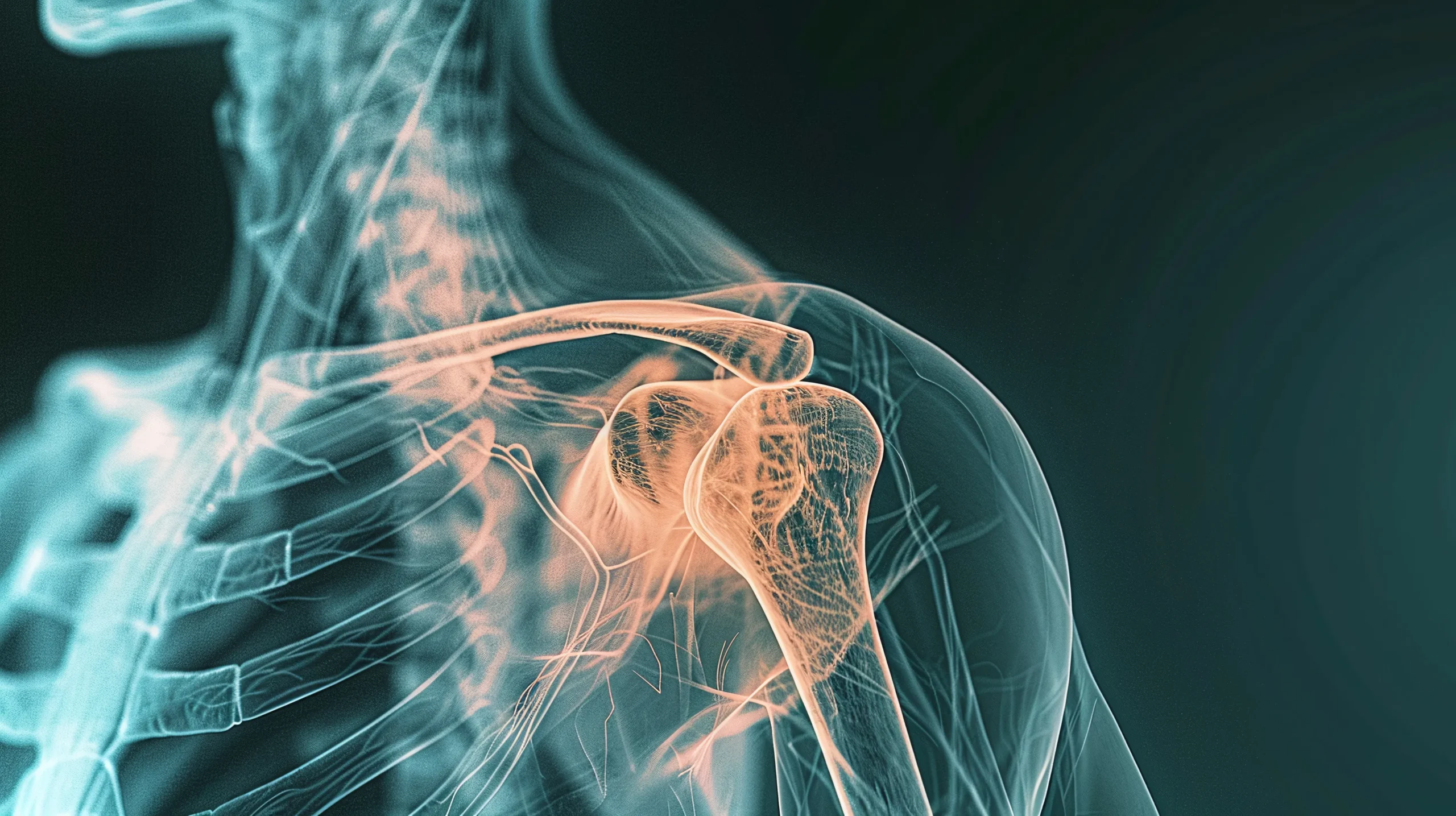
The rotator cuff is a group of muscles and tendons surrounding the shoulder joint that plays a significant role in the movement and stability of the joint. The muscles work together to stabilize the shoulder joint and facilitate various movements, such as lifting and rotating the arm.
Rotator cuff injuries can occur due to a variety of causes:
- Degeneration due to aging
- Repetitive overhead motions
- Sudden trauma or injury
The Importance of Home Exercises for Recovery
Home exercises prescribed by your physical therapist play a crucial role in the recovery process for various musculoskeletal injuries and conditions. Studies show that consistent adherence to home exercise programs significantly improves functional outcomes and reduces the risk of re-injury. With rotator cuff injuries, patients who diligently followed their prescribed home exercise regimen experienced better shoulder function and decreased pain levels compared to those who were less compliant. Positive mental health is a big part of a successful recovery. Active participation in home exercises can provide patients with a sense of empowerment and ownership over their recovery journey. When patients take an active role in their rehabilitation, it fosters a positive mindset and motivation towards achieving their goals. Our PTs will educate you on the proper technique for each prescribed exercise so you can optimize your recovery without missing a beat.
Physical Therapy Before and After Rotator Cuff Repair Surgery
Considering rotator cuff surgery? Physical therapy can be your secret weapon for a smoother journey before and after the procedure.
Pre-Surgery Advantage:
- Go into surgery stronger: Build muscle strength and control around your shoulder for better support during healing.
- Reduce pain and restore motion: Physical therapists can use manual therapy techniques to minimize discomfort and improve range of motion.
- Recover faster: Stronger muscles translate to a quicker recovery and regaining full shoulder function.
- Prepare mentally: Understand what to expect post-surgery and gain strategies to optimize your recovery, boosting your confidence.
Post-Surgery Benefits:
- Manage pain effectively: Our therapists use a variety of manual techniques and modalities to keep pain at bay.
- Regain lost motion: Our team will help stretch and loosen any restrictions to restore your shoulder’s range of motion.
- Rebuild strength: Regain the strength you lost in your rotator cuff and supporting muscles.
- Return to your life: Physical therapy’s ultimate goal is to help you use your shoulder fully again, allowing you to perform daily activities without limitations.
- Prevent future injuries: Learn exercises to maintain strength and flexibility in your shoulder, reducing the risk of re-injury.
By incorporating physical therapy at Ellis Physical Therapy before and after surgery, you’re setting yourself up for a successful rotator cuff surgery experience!
Expectations from Physical Therapy for Rotator Cuff Rehabilitation
Whether you opt for surgery or not, Physical Therapy is often the primary approach for rotator cuff injury rehabilitation. Physical Therapy sessions may include a combination of techniques to alleviate symptoms and promote healing.
- Functional movements to restore normal use of the shoulder
- Manual therapy to reduce pain and help improve blood flow
- Stretching to improve/restore shoulder range of motion
- Strengthening exercises to build the muscles in and around the shoulder joint and shoulder blades
Personalized Treatment with Ellis Physical Therapy
We begin every program with a detailed assessment of your health history and existing condition. Next, we conduct a comprehensive physical examination, including range of motion and strength testing. We’ll discuss your questions and concerns and set achievable goals for your recovery. You can expect a comprehensive therapy that includes:
- Emphasizing the importance of consistency with exercises to perform at home between sessions to maintain progress.
- Providing guidance on proper mechanics, posture, and techniques for activities involving the shoulder to prevent future injuries or re-injury of the rotator cuff.
- Preparing for a gradual reintroduction of activities and sports after recovery.
- Highlighting the significance of long-term maintenance through periodic check-ins, continued home exercises, and continuing a healthy lifestyle to maintain the strength and function of the rotator cuff.
A strong rotator cuff recovery with physical therapy involves a comprehensive approach that addresses pre and post-surgery needs or non-surgical treatment. With the guidance of our skilled physical therapists and your commitment to the rehabilitation process, you can regain shoulder function, mobility, and quality of life.
Early preparation and treatment are the keys to success, so give us a call today to schedule a consultation.
Meet Tonya Ellis-Jones
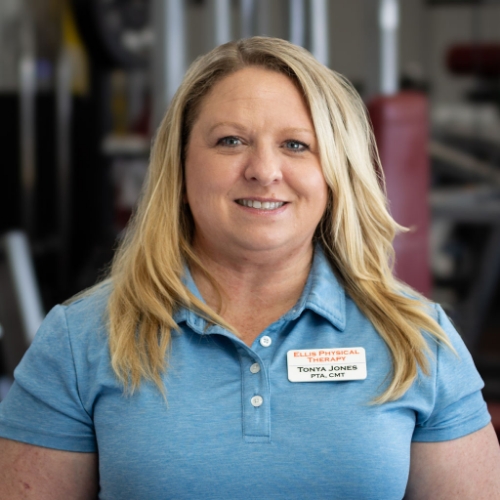
Tonya Ellis Jones was born in Salt Lake City, Utah and raised in Idaho Falls, Idaho. She graduated from Hillcrest High School, where she enjoyed Track, lettered in Swim Team, and enjoys music. She participated in singing in musicals and the High School choir. She graduated from Career Cosmetology in Rexburg in 1997. She worked as a Cosmetologist while attending BYU Idaho 1997-1999, where she graduated with an Associate’s Degree in General’s Art’s and Science. She then went on to the ISU PTA Program and graduated in 2006. She loves working with people and helping them with their special needs. She is Idaho Certified in Massage Therapy since 2010. She also is certified in Pain Pattern Solution Massage (PPS).She enjoys continually learning hands on experience to reduce pain so patients can return to their activities and daily living. She enjoys time with her husband, 6 children and 6 Grandchildren. She enjoys time with her family being in the outdoors, camping, hiking and floating Big Springs in Island Park.

Cupid’s Vanilla Berry Smoothie
Ingredients:
- 8 ounces Horizon Organic low-fat Vanilla Milk
- ½ cup Horizon Organic Fat-Free Plain Yogurt (can substitute with vanilla flavored yogurt for a sweeter smoothie)
- ½ cup frozen red berries
- ½ cup ice
Directions:
-
Place all ingredients in a blender and puree until smooth.
-
Divide between two glasses and serve immediately.

Tips for A Heart-Healthy Valentine’s Day!
This year, don’t forget the most important Valentine of all: your heart! With February being the month of love and American Heart Month, here are a few tips to combine them into one fabulous celebration:
- Try a heart-healthy treat: Pomegranate seeds, good dark chocolate, and sweet strawberries are all delicious alternatives to candy hearts.
- Take a ballroom dance class with your sweetheart: Nothing’s more romantic than a sweeping waltz or sultry tango. But ballroom dancing is also a great cardio workout–making it the perfect date night for American Heart Month!
- Sink into a relaxing bubble bath: Stress contributes to cardiovascular disease, so this month, set aside time to rest and relax with a bubble bath. Dim the lights, burn a few candles, and settle down with your favorite romantic read.
Want more healthy heart tips this February–or any month of the year? Schedule an appointment with our team today!
Cash-Based Services
Ellis Physical Therapy offers cash-based services for patients (based on circumstances) who may or may not have insurance. At Ellis Physical Therapy, physical therapists are dedicated to providing each patient the best quality care available.
A full evaluation at Ellis Physical Therapy for cash-based patients is $125.
Additionally, day-to-day treatment is based on time: $80/hr or $40/half-hour.
We do offer cash-based rates for other specialty treatment services. Please check with our administrators at the front desk for more information regarding specific treatment.