


Five Ways to Manage Arthritis Pain — Without Surgery
Donna is one of the 53.2 million Americans living with arthritis. Until recently, she was also one of the many arthritis patients who weren’t physically active due to their symptoms. The persistent pain in her knee kept her from hobbies she’d always enjoyed, but now she loves to garden and explore local walking trails with her friends. And she didn’t even have to undergo surgery!
What changed? The answer is simple: Donna visited the team at Ellis Physical Therapy. We helped her understand her condition, including the fact that staying sedentary was making her symptoms worse. We also created a customized treatment plan to help her manage her pain, get active, and get back to the life she wanted to live.
Whether you’re living with osteoarthritis, rheumatoid arthritis, or another inflammatory joint condition, we’ll work hard to find a solution that meets your needs. All you need to do to get started is call to schedule an appointment.
In the meantime, check out these five suggestions for managing arthritis pain from our physical therapists.


Our Patients Get Great Results
“Ellis PT is AMAZING! The people are all so friendly and helpful. They work with you at your pace. The saying you don’t know what you’ve got till it’s gone, is so true. I had to move and I wish they had moved with me.”
– L.P.

How to Manage Arthritis Symptoms (Without Drugs or Surgery)
- Get Organized: To maximize your treatment from our physical therapists, keep careful track of your symptoms. When do you feel pain? Where do you feel pain? Do you have any mobility restrictions? How would you describe your pain level? This information will help us create the best possible treatment plan for your needs.
- Stay Active: Getting enough exercise is one of the best things you can do to manage your arthritis symptoms. If you have osteoarthritis, this might be a surprise since OA pains often occur when you move the joint. Fortunately, our physical therapists can help you find low-impact exercises that won’t put extra pressure on your joints.
- But Don’t Forget to Rest: While physical activity is crucial in managing arthritis, you need to be careful not to overdo things. Striking a balance between more intense activities (like weightlifting) and periods of active recovery (like walking) will help keep your joints happy.
- Eat a Healthy Diet: Swapping out ultra-processed foods for a diet rich in fruits, vegetables, and whole grains can help control the inflammation that contributes to arthritis symptoms.
- Find a Pain Management Strategy: You don’t have to depend on pain medication to manage your symptoms. Self-massage techniques, hot and cold therapy, and gentle stretches can all help reduce pain levels. Our therapists can provide suggestions!
But Don’t Forget to Visit Ellis Physical Therapy, Either!
As musculoskeletal experts, our team of physical therapists can give you the expert guidance you need to address your arthritis symptoms. We offer two main benefits: additional pain management techniques and customized, guided exercise programs.
How We Help Manage Pain
- In addition to showing you self-management options, we offer several pain management approaches in our clinic.
- Manual therapy techniques, such as joint mobilizations or soft tissue manipulation, help reduce pain, promote blood circulation, and improve mobility restrictions. We often kick off sessions with a round of manual therapy to help prepare your body for exercise.
- Depending on your needs, we might also suggest other pain-relieving modalities, such as ultrasound therapy or electrical stimulation.
How We Help You Exercise Smarter
- When managing arthritis pain, pretty much any low-impact exercise will do wonders. However, targeted exercise also plays an important role in addressing pain.
- For example, mobility exercises will help improve your joint’s range of motion, making movement easier overall. Targeted strength training focuses on improving the strength of the muscles surrounding your impacted joint, which helps support and stabilize it, helping to minimize pain.
- We can also help you get started with a general exercise program. If you’ve been inactive for a while, starting slowly is essential to avoiding injury. We can provide suggested exercises and durations based on your health history and activity level.
- Finally, if your arthritis is in a weight-bearing joint (such as your hip or knee), it’s important that you improve your balance to minimize your fall risk — and we can help with that, too!
Call Us Today
No matter your specific needs, Ellis Physical Therapy is here to help you manage your arthritis symptoms. From personalized guidance to targeted exercise programs, we’ll find solutions that work for you. Call us to schedule your initial consultation.
Exercise of the Month: Towel Curls
Sit in a chair with your feet flat on the floor and a small towel placed under your toes. Using only your toes, scrunch the towel toward you, curling and gripping it with your feet. Relax and repeat. This strengthens the foot muscles and supports arch control.
3 Sets, 10 Reps. (Materials needed: chair, small towel)
Recipe of the Month: Easy Grilled Veggie Portabella Pizzas

Ingredients:
- 2 large Portabella Mushroom Caps
- 3 cloves garlic chopped (or minced)
- 2 teaspoons extra virgin olive oil
- 4 wedges Laughing Cow – Light Garlic & Herb Cheese
- 1 cup Red Peppers Chopped
- 1 cup Green Peppers Chopped
- ½ cup Onion Chopped
- 1 cup baby kale chopped
Instructions:
- In a saucepan on your stove, heat the olive oil on low.
- Pop your portabella mushrooms in there and saute for 1-2 minutes. Flip them over and saute the other side for about 1-2 minutes, or just until they are slightly softened. Remove the mushrooms to a baking pan lined with tin foil.
- Add the garlic, onions, kale and both peppers to the oil
- Saute for a few minutes or until onions are translucent. Stir around frequently.
- Remove from heat when done.
- Add two wedges of laughing cow light garlic and herb cheese to each Portabella cap.
- Divide the veggies from the saucepan between the two portabella mushrooms.
- Broil the mushrooms for about 2-3 minutes.
- Remove, eat & enjoy!
I Love to Run! Am I Doomed to Osteoarthritis?
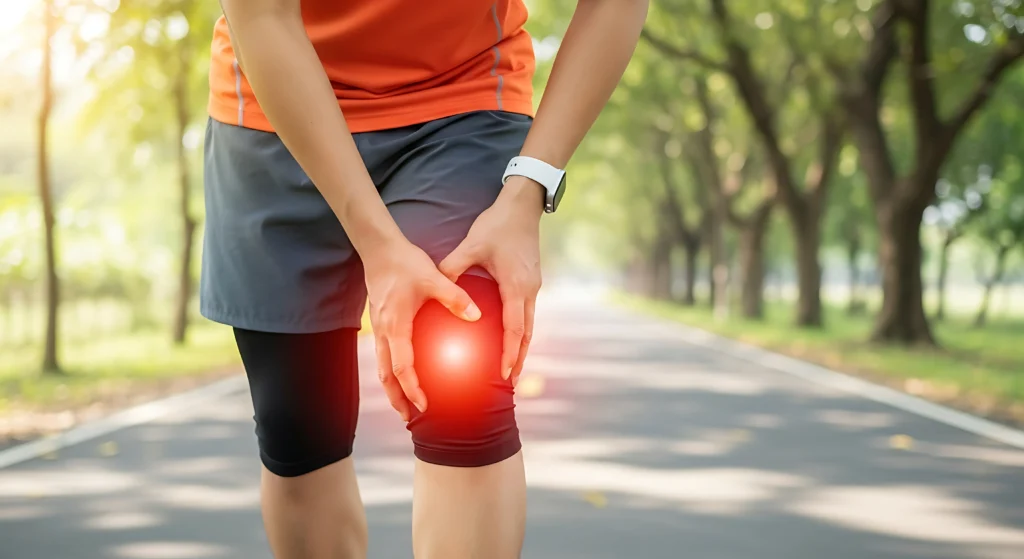
For years, conventional wisdom has said that avid runners would go on to develop osteoarthritis in their knees. After all, OA is a degenerative condition that occurs when the cartilage in the knee breaks down–so surely the wear and tear of running would lead to osteoarthritis down the line.
As it turned out, this isn’t actually the case. In fact, running regularly may help protect you against developing OA! Studies show that physical activity, in general, can help protect against osteoarthritis, and the actual risk factor is staying sedentary.
Why is that? Studies suggest that moving your joints keeps the tissue strong and healthy, preventing both inflammation and tissue degeneration. It’s the same reason exercise is one of the best ways to manage osteoarthritis pain.
Make the Most of Your Morning Jog with Physical Therapy
Of course, runners can still develop knee pain, usually due to overuse injuries or faulty biomechanics. The Ellis Physical Therapy team can help you prevent those injuries so you can stay active. We can also set you up for success if you want to start running for the first time. Our comprehensive assessments can pinpoint any muscular imbalances or issues with form, ensuring you can keep up your running habit (and possibly prevent osteoarthritis in the process). For beginners, we can provide advice to ease you into your runs so you don’t injure yourself. Whether you want to start running or keep running, our team is here to help. Call to schedule an appointment today!
Sources
- https://dailydishrecipes.com/grilled-veggie-portabella-pizzas/
- https://www.ncbi.nlm.nih.gov/pmc/articles/PMC4350574/
- https://bjsm.bmj.com/content/56/6/357
- https://www.arthritis.org/health-wellness/healthy-living/managing-pain/pain-relief-solutions/natural-relief-for-arthritis-pain,
- https://www.physio-pedia.com/Arthritis,
- https://www.cdc.gov/arthritis/data_statistics/national-statistics.html