

Health & Wellness Newsletter
Common Sources of Hip Pain (And What We Can Do About Them)
Hip pain isn’t something you have to live with. Understanding where it begins can help you find a clearer path back to comfortable movement.
01 / Main Article
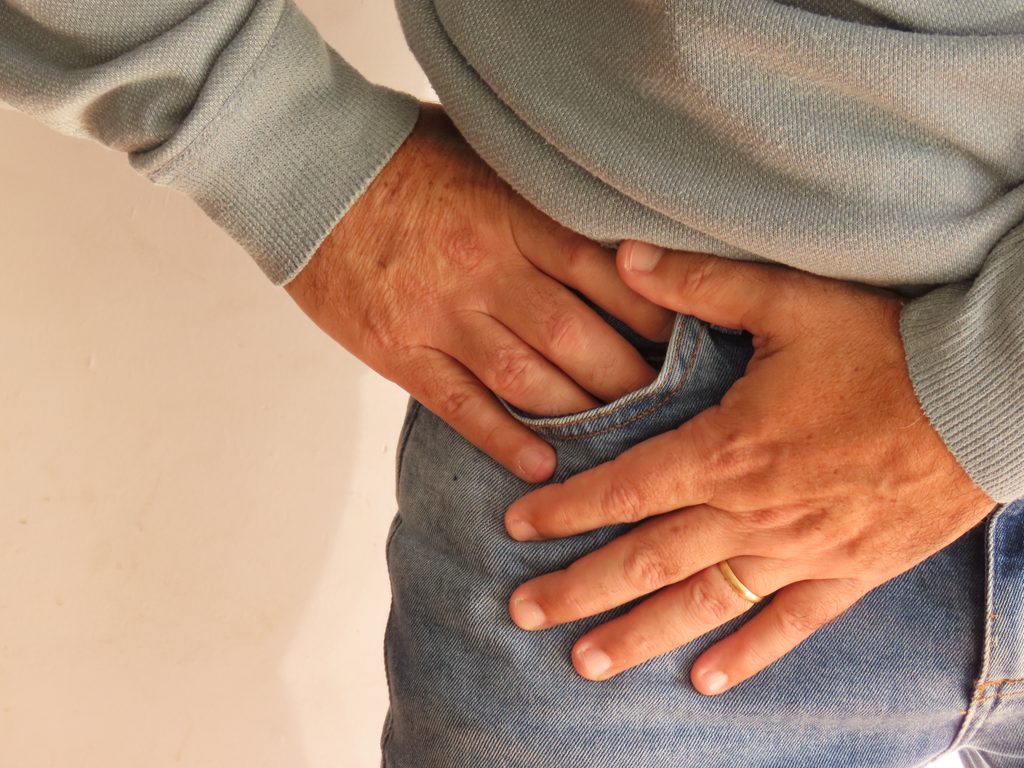
Have you noticed a persistent discomfort in your hip? Is impaired hip mobility making it difficult for you to handle day-to-day tasks? Hip pain isn’t something you have to live with. But to resolve your pain, you’ll need to identify why you’re experiencing pain in the first place.
At Ellis Physical Therapy, our team of musculoskeletal experts can help you determine the root cause of your hip pain. Whether it’s an underlying injury or a chronic condition like arthritis, we’ll get you the answers you need — and the relief you deserve!
Today, we want to explore some common causes of hip pain and give you some insight into how a personalized treatment plan can help.
Why Do My Hips Hurt? Common Hip Injuries and Conditions
Osteoarthritis (OA)
If you’re an older adult, your hip pain might stem from osteoarthritis, which occurs when the cartilage, bone, and other joint tissues in a joint start to degenerate. The hips are one of the more common locations for OA. Symptoms include:
- Pain in the hip and/or groin
- Stiffness in the hip joint, especially after you haven’t moved it for a while
- A sense of weakness in your legs
Hip Impingement
Your hip is a ball-and-socket joint. When certain changes occur in the shape or interaction between the ball or socket parts, you can develop hip impingement. It’s most common in younger and physically active people. Watch out for:
- Pain in the hip joint and discomfort elsewhere in the general area (groin, “deep” buttock region, and sometimes down into the thighs)
- Sharp stabbing pain when using your hip (i.e., squatting, running, etc)
- Symptoms that gradually develop over time
Hip Labral Tear
Your labrum is a ring of cartilage around the edge of the hip socket that contributes to joint stability and function. A labral tear occurs when that cartilage tears, often due to injury, repetitive loading, or changes within the hip joint. Symptoms include:
- A persistent, dull ache that feels like it comes from deep inside your hip
- Sharp, stabbing pains when using your hip
- Clicking or popping sounds when using your hip
- Catching or locking, and for some people, a feeling of instability in the hip
Hip Strain
A hip strain occurs when the muscles or tendons that support your hip joint are overstretched or injured. Your exact symptoms will vary somewhat based on the severity of the strain, but in general, you can expect:
- Pain, especially when using the affected muscle
- Swelling
- Limited range of motion
- Muscle weakness
What We Can Do to Address Your Hip Pain
Of course, identifying the cause of your hip pain is only the first step in addressing it. Once we know why you’re experiencing pain, we can develop a personalized treatment plan for your needs. At Ellis Physical Therapy, we offer several innovative techniques that go beyond standard physical therapy, ensuring you get the care you need.
If you’ve suffered a hip injury, we’ll guide you through rehabilitation. Often, physical therapy alone is enough to resolve the injury, but even if you do need surgery, we’ll be there for rehabilitation afterward. Either way, here’s what you can expect:
- Ultrasound therapy to reduce pain and help boost your body’s natural healing processes
- Instrument-assisted soft tissue mobilization (IASTM), an advanced soft-tissue technique that decreases pain, helps with limitations in mobility and supports healing
- Exercises to progressively build strength and stability, including water-based exercises if movement is painful
- Targeted balance and gait training
- Activity-specific training (especially if you’re an athlete)
If you’ve developed osteoarthritis, we can help you manage your symptoms and maintain or improve your function to help you stay physically active. OA doesn’t have a cure, but physical therapy is considered a frontline treatment to help you avoid a total hip replacement.
One of the best ways to manage arthritis is through regular exercise. This is where our aquatic therapy program can be immensely helpful, as water-based exercises allow you to build strength without putting stress on your joints.
Other techniques we might suggest include:
- Dry needling to alleviate muscle tightness and discomfort around the affected joint
- Balance and gait training to help reduce your fall risk
- Activity modifications and other strategies to help you manage discomfort throughout the day
Let’s Start Working to Address Your Hip Pain
No matter the reason for your hip pain, the Ellis Physical Therapy therapists will find a solution that works for you. Call us today to schedule an appointment to get started on your journey to hip pain relief!
Let’s talk about your goals
Find a Clearer Path Back to Comfortable Movement
One assessment can help connect the symptoms you feel with the movements that may be contributing to them. We’ll listen, evaluate, and build a plan around what you need to return to.
02 / Movement Support
Can Custom Orthotics Help Ease Hip Pain?
Did you know hip pain is often influenced by factors outside of your hip, including your walking pattern? It makes sense when you think about it: every time you take a step, your entire lower body operates as a chain. Sometimes, there’s a problem with how your feet meet the ground, and it radiates all the way up your leg and into your hip.
In these cases, the Ellis Physical Therapy team might recommend trying a custom orthotic as part of your overall treatment plan. Custom orthotics are shoe inserts made to fit your feet and support your individual movement needs. Along with more active techniques, they can help reduce stress on the hip and improve everyday movement.
How Custom Orthotics Can Help Your Hips
- They change how pressure is distributed under the foot and influence how forces travel through the leg during walking and other activities.
- They improve comfort while walking by helping distribute pressure more comfortably, making it easier for you to stay active.
- They address movement patterns that can affect the hip, providing added support where you need it.
- They work well alongside exercises that build hip and leg strength, improve mobility, and retrain comfortable walking patterns.
Find the Right Support for Your Movement
At Ellis Physical Therapy, we look beyond the painful area to understand how your whole body moves. Our team can assess your walking pattern, strength, mobility, and foot mechanics to determine whether custom orthotics are appropriate for your treatment plan.
Contact us today to learn more about how our team can help you move with greater comfort and confidence.
Peak Performance in Ammon
We’ve Opened a New Location!
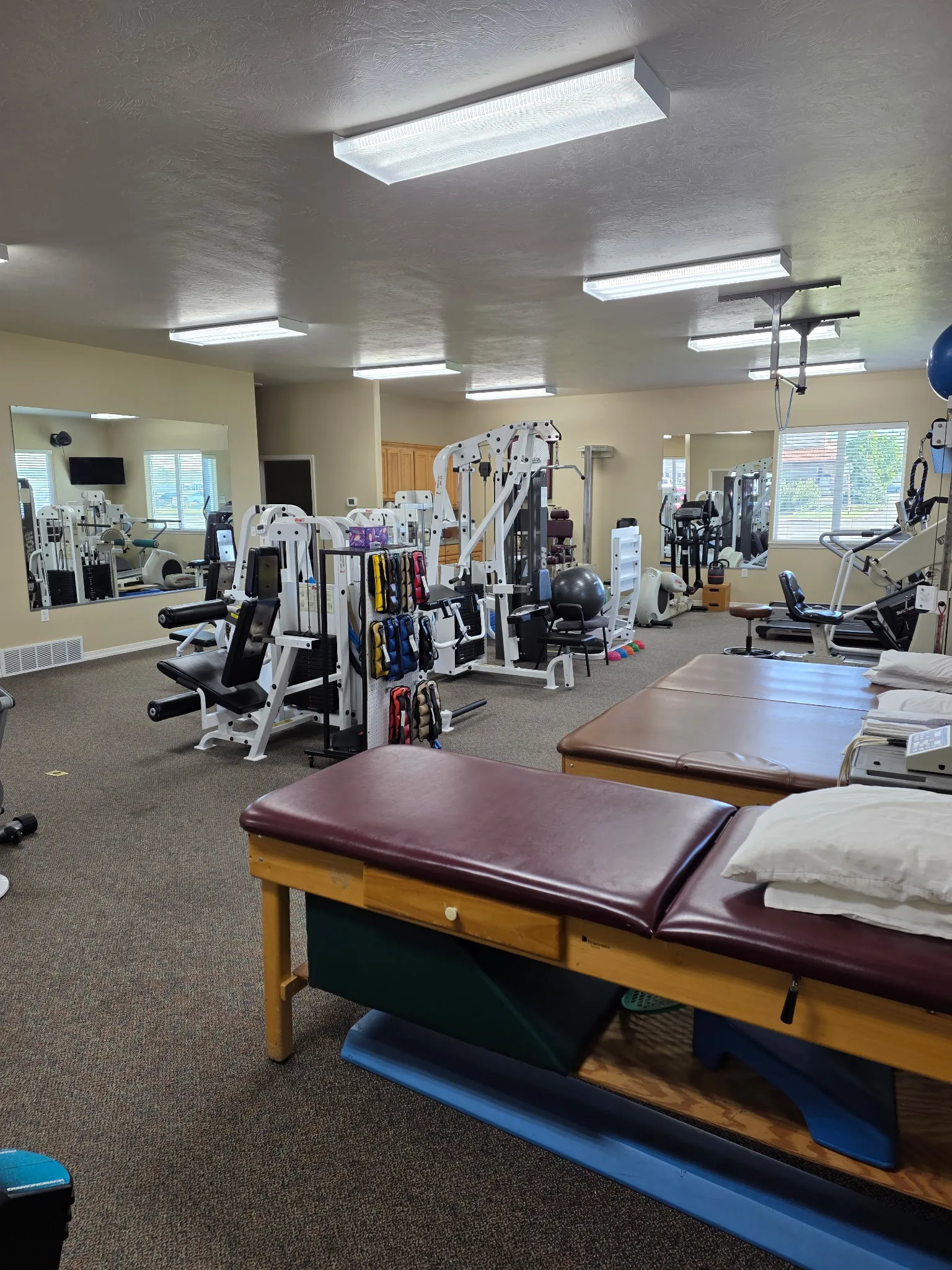
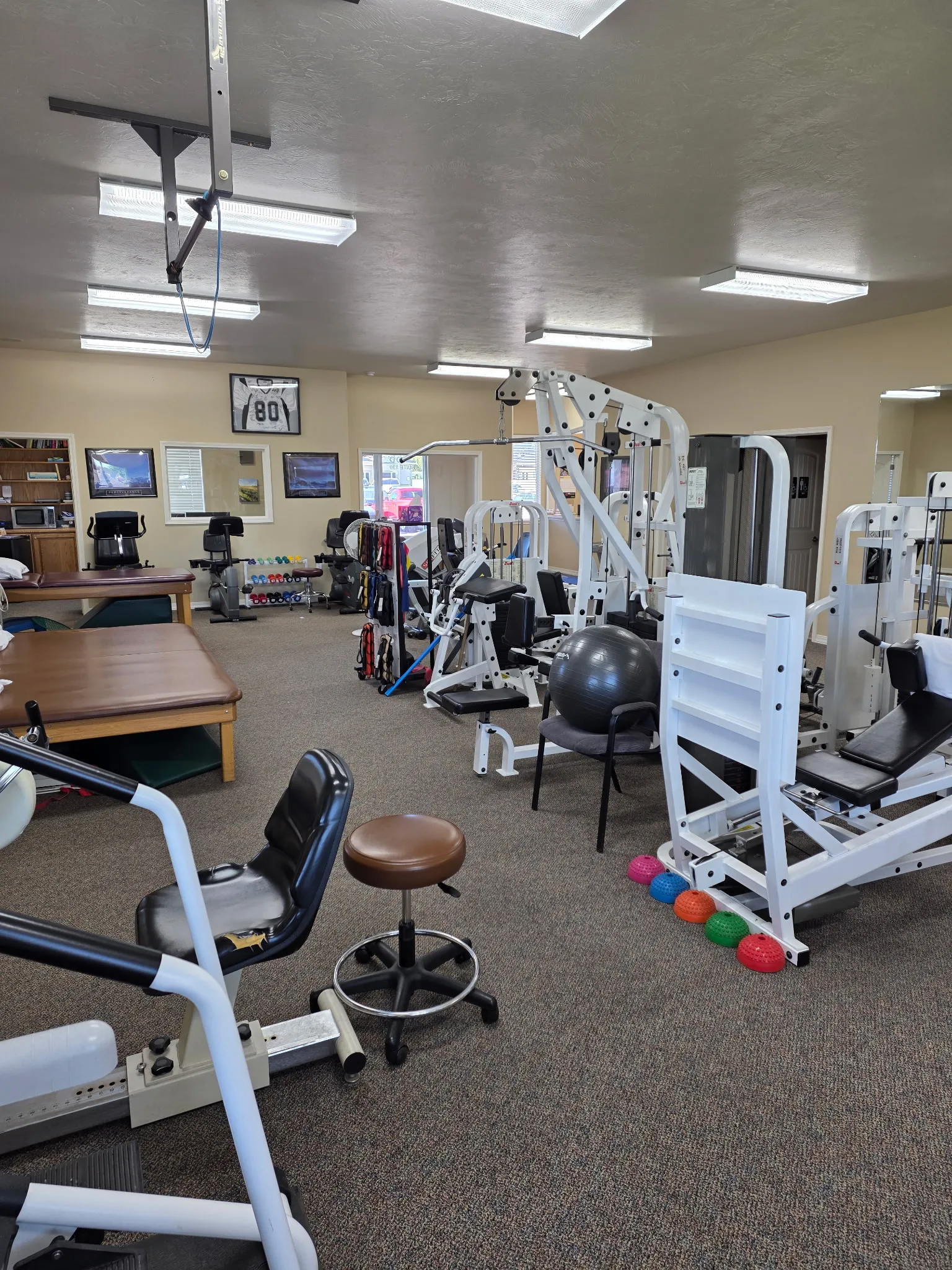
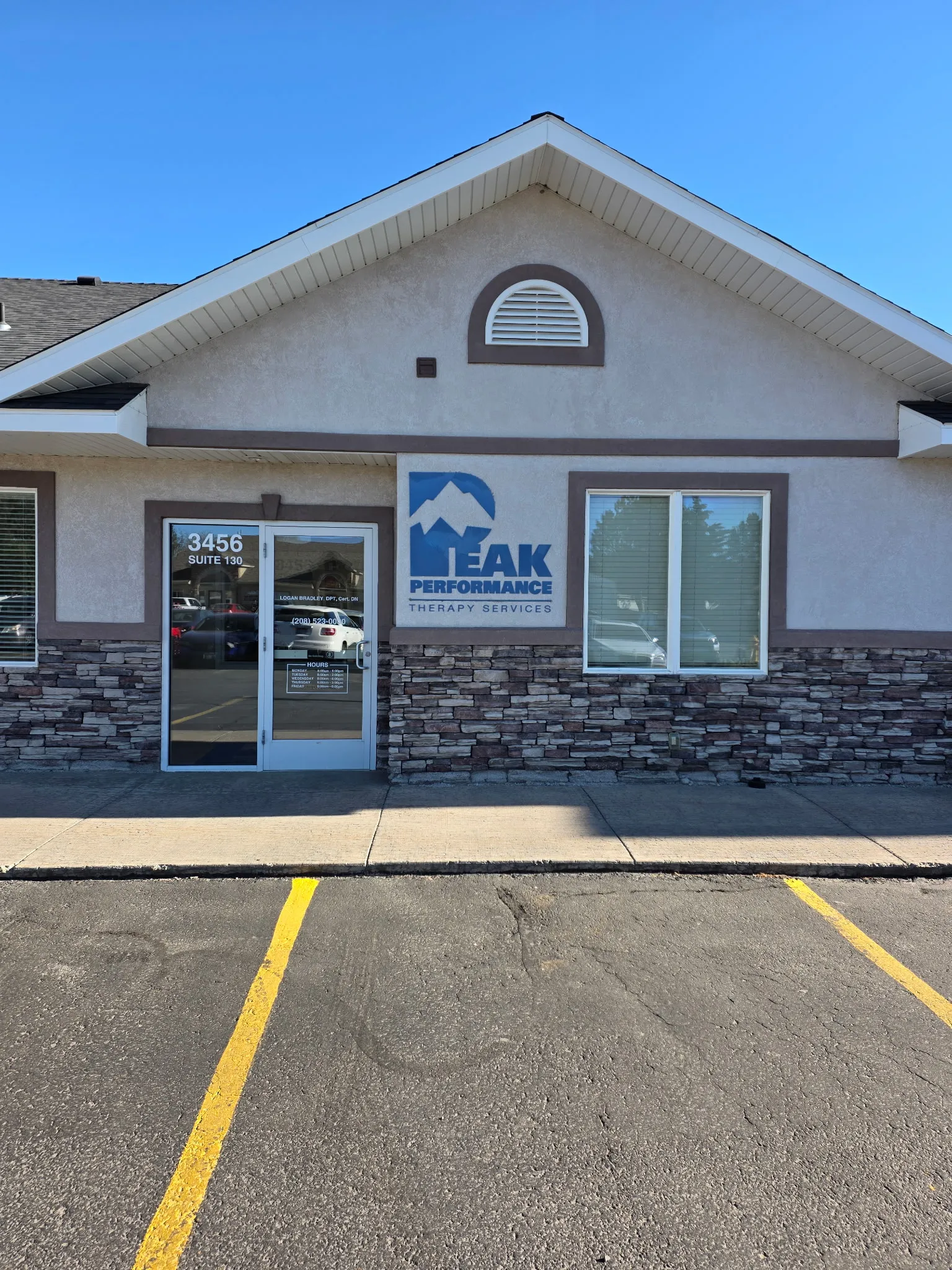
We’re excited to share that Ellis Physical Therapy has expanded with a brand new location: Peak Performance in Ammon, ID! While the clinic may look familiar to some, it’s now under Ellis ownership—meaning you’ll get the same high-quality care, personalized treatment, and trusted approach you’ve come to expect from our team.
If you or someone you know is in the Ammon area, we’d love to help you move and feel your best!
Our Patients Get Great Results
“I came here several years ago and was totally satisfied. Currently my wife is having physical therapy and the progress for her, in my estimation has been extraordinarily good. I carry Peak Performance business cards with me to recommend the service to others. The service here is more than five stars. It is A++ plus the five stars.”
— Kenneth
A quick game
Step-Smart Support Match
Meet five movement situations. Choose the strategy that best complements custom orthotics.
Staff Spotlight
John Henry Roberts
PT, DPT
John Henry Roberts PT, DPT is originally from the southern United States but has lived most of his life in Rigby, Idaho. After graduating from Bonneville High School, he went on a two year mission for The Church of Jesus Christ of Latter-day Saints in Arizona. John Henry attended Brigham Young University-Idaho to complete his Bachelor’s degree in Exercise Physiology with a minor in Nutrition. He graduated with his Doctorate of Physical Therapy from Rocky Mountain University of Health Professions in 2024. He has had clinical rotations in orthopedics, sports, burn therapy, wound care, and acute care settings. John Henry has always had a passion for helping people and looks forward to assisting others on the journey to greater health. He wants to help people elevate their lives by rehabilitating injuries so they can return to doing the things that they are passionate about.
John Henry has always been very active and in his off time, he loves participating in any sport, exercising, fishing, hiking, playing the piano, traveling, and trying new things. He loves to spend time with his wife, Hailey, and their three children that keep them busy.
Exercise of the Month
Side Bridge
Obliques, Core
Lie on your side with your elbow directly under your shoulder and your legs stacked. Lift your hips off the ground, creating a straight line from your head to your feet. Hold this position while keeping your core engaged and hips level. Switch sides after each set.
3 Sets, 30-Second Hold (each side).
Materials needed: floor mat
Support the Way You Move
Whether you are managing a new injury, a recurring ache, or a change in how you move, our team is ready to help you understand the next step.
Recipe of the Month
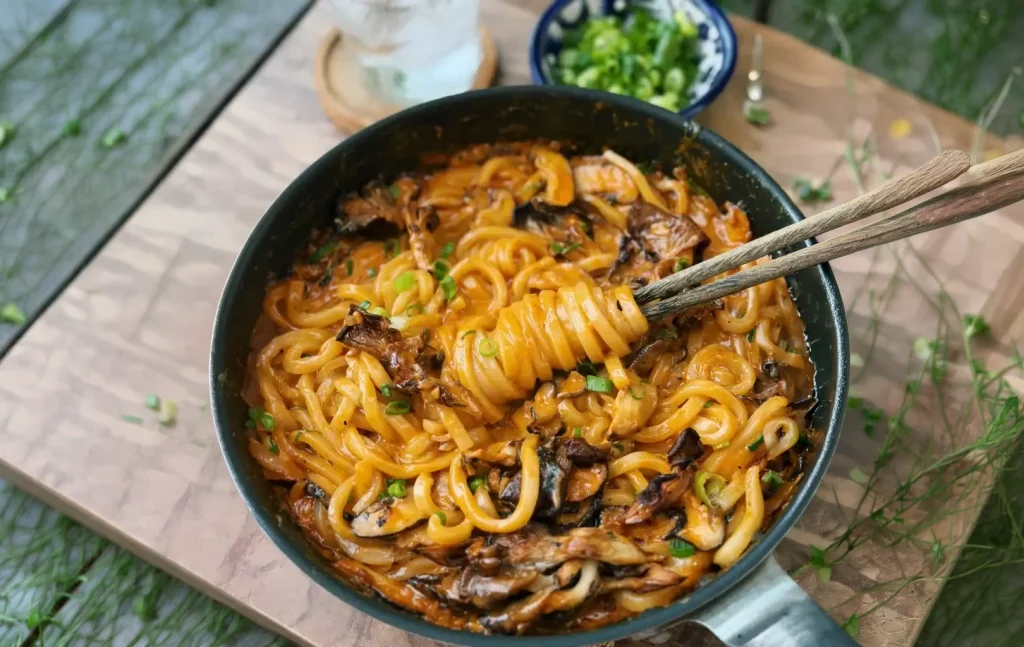
Spicy Creamy Mushroom Udon
For a spicy, satisfying meal, you have to try this Japanese-Korean fusion bowl! It features udon noodles tossed in a rich, creamy Gochujang Mushroom Sauce and is topped with the crispiest herb-butter-fried oyster mushrooms.
Ingredients
For the Crispy Oyster Mushrooms:
- 6 oz (170 g) oyster mushrooms, torn into bite-sized pieces
- 1 tbsp butter
- 1 tbsp oil
- 2-3 sprigs fresh thyme
- Salt and black pepper to taste
For the Creamy Spicy Mushroom Udon:
- 2 packs udon noodles (fresh or frozen, about 14–16 oz / 400–450 g total)
- 5-6 fresh shiitake mushrooms, thinly sliced
- 1 large shallot, finely chopped
- 4 cloves garlic, minced
- 1 ½ – 2 tbsp gochujang (Korean red chili paste), adjusting to your spice preference
- 1 cup heavy cream
- ¼ – ½ cup water or chicken/vegetable broth, as needed
- Salt and black pepper to taste
- Green onions, sliced (optional, for garnish)
Directions
- Make the crispy mushrooms: Heat the butter and oil in a large pan over medium-high heat. Add the oyster mushrooms and thyme, season lightly with salt and black pepper, and pan-fry for 4–5 minutes. Stir occasionally until they are golden brown and crispy around the edges. Remove from the pan and set aside.
- Build the sauce: In the same pan, add the chopped shallot, minced garlic, and sliced shiitake mushrooms. Sauté over medium heat for 3–4 minutes, until the shallots soften and the mushrooms turn lightly golden.
- Make it creamy and spicy: Add the gochujang and stir for about 30 seconds to toast the paste. Pour in the heavy cream and ¼ cup of your water or broth. Mix until the gochujang is fully incorporated and the sauce is smooth.
- Add the udon: Place the udon noodles directly into the sauce. Turn the heat up to high and cook for 2–3 minutes, tossing constantly until the noodles separate and are completely coated in the creamy sauce. (Note: If the sauce becomes too thick, add another splash of water or broth.)
- Garnish and serve: Taste the sauce and adjust the salt and black pepper if needed. Divide the noodles between two bowls and top generously with the crispy oyster mushrooms and sliced green onions.