


Case Study: Overcoming Tendonitis Through Physical Therapy
Introduction: Tendonitis, a condition characterized by inflammation and irritation of tendons, can significantly impact one’s daily life. This case study follows the journey of Mark, a 45-year-old individual diagnosed with Achilles tendonitis, as he sought relief and recovery through physical therapy.
Patient Profile:
Name: Mark
Age: 45
Occupation: Sales Manager
Diagnosis: Achilles Tendonitis
Lifestyle: Active, enjoys running and outdoor activities
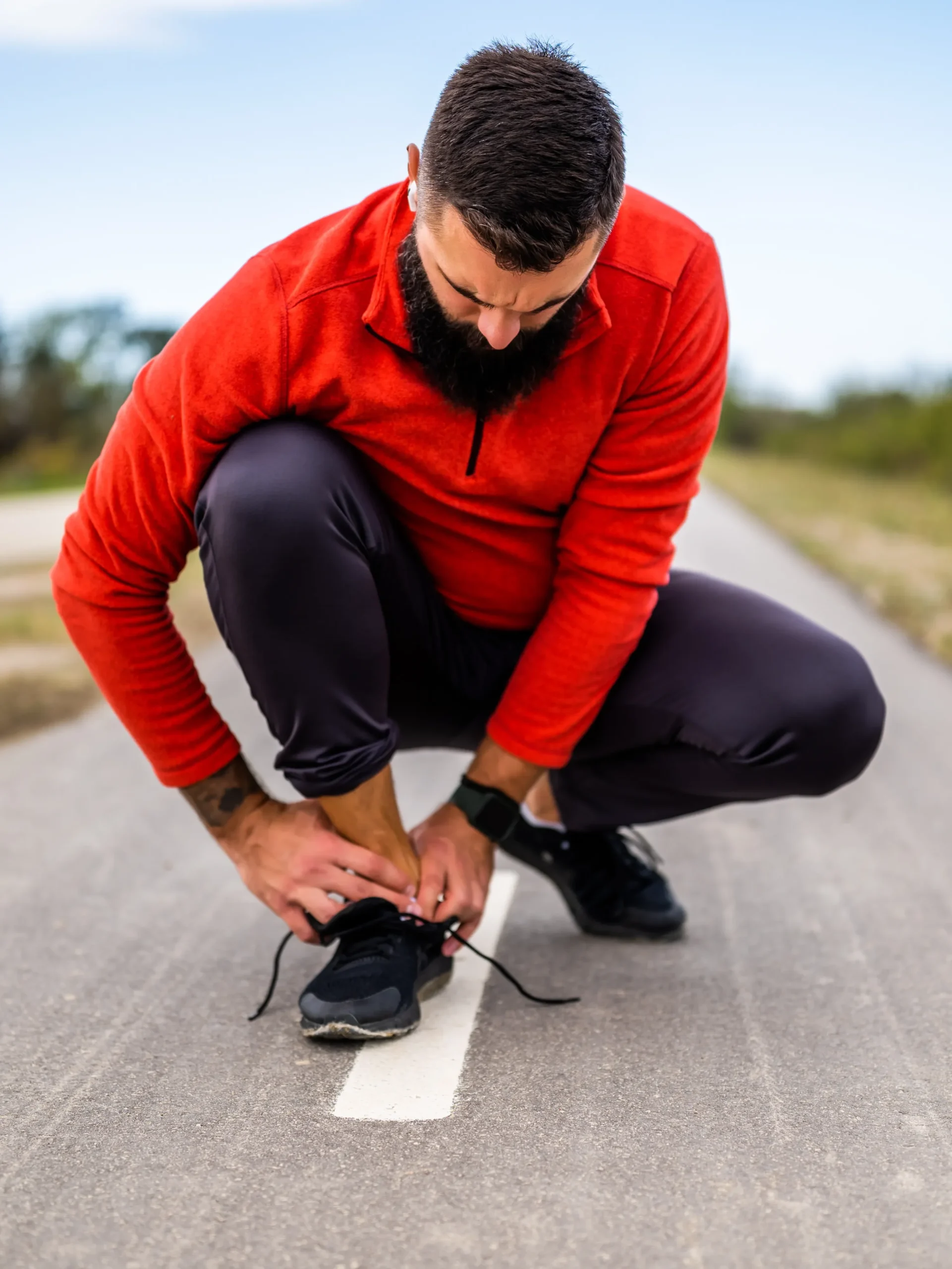
Initial Presentation: Mark presented with complaints of persistent pain and discomfort in his right Achilles tendon. He reported a gradual onset of symptoms over the past few months, primarily affecting his ability to engage in his favorite activities, such as running and hiking. His pain worsened during physical activities and after prolonged periods of sitting at his desk.
Physical Therapy Evaluation:
Assessment of Symptoms:
- Mark described his pain as a dull ache with occasional sharp, stabbing sensations in the back of his right heel and calf.
- He reported morning stiffness and difficulty initiating movement in his ankle.
- His pain was aggravated during activities such as running, stair climbing, and prolonged standing.
- He had no history of trauma or specific injury to the Achilles tendon.
Physical Examination:
- Gait analysis revealed a noticeable limp, favoring the non-painful leg.
- Palpation of the Achilles tendon indicated localized tenderness and swelling.
- Range of motion assessment showed reduced ankle dorsiflexion and calf muscle tightness.
- Strength testing demonstrated mild weakness in the calf muscles.
- Observation of Mark’s running form revealed biomechanical abnormalities contributing to the condition.
Diagnosis:
Based on the clinical evaluation and patient history, Mark was diagnosed with Achilles tendonitis. The primary contributing factors were overuse, altered biomechanics, and reduced ankle flexibility.
Treatment Approach:
Mark’s treatment plan was developed by his Ellis Physical Therapy physical therapist and tailored to address his specific needs and lifestyle. The step-by-step approach to his recovery included:
- Education: Mark received comprehensive education on Achilles tendonitis, including its causes and contributing factors. He learned about the importance of proper footwear, load management, and the role of biomechanics in his condition.
- Pain Management: To alleviate initial pain and inflammation, Mark was introduced to modalities like ice application and manual therapy techniques to reduce localized swelling.
- Range of Motion Exercises: Mark was prescribed a series of stretching exercises to improve ankle dorsiflexion and reduce calf muscle tightness. He performed these exercises daily.
- Strengthening Exercises: A progressive strength training program was initiated to address calf muscle weakness. Exercises included calf raises, eccentric heel drops and other single-leg strengthening exercises like step downs and STAR reaches.
- Biomechanical Analysis: Mark’s running gait was assessed to identify and address faulty biomechanics contributing to his condition. He received guidance on proper running form and footwear selection.
- Activity Modification: Mark temporarily reduced high-impact activities like running and hiking to allow his tendon to heal. But he was encouraged to remain active and do low-impact exercises such as pain-free walking and cycling.
- Gradual Return to Activity: As Mark’s symptoms improved, he was guided through a gradual return to his desired activities. His physical therapist monitored his progress closely.
- Home Exercise Program: Mark was provided with a personalized home exercise program, including stretching and strengthening exercises. He was encouraged to maintain a routine for ongoing prevention.
Follow-Up and Outcome:
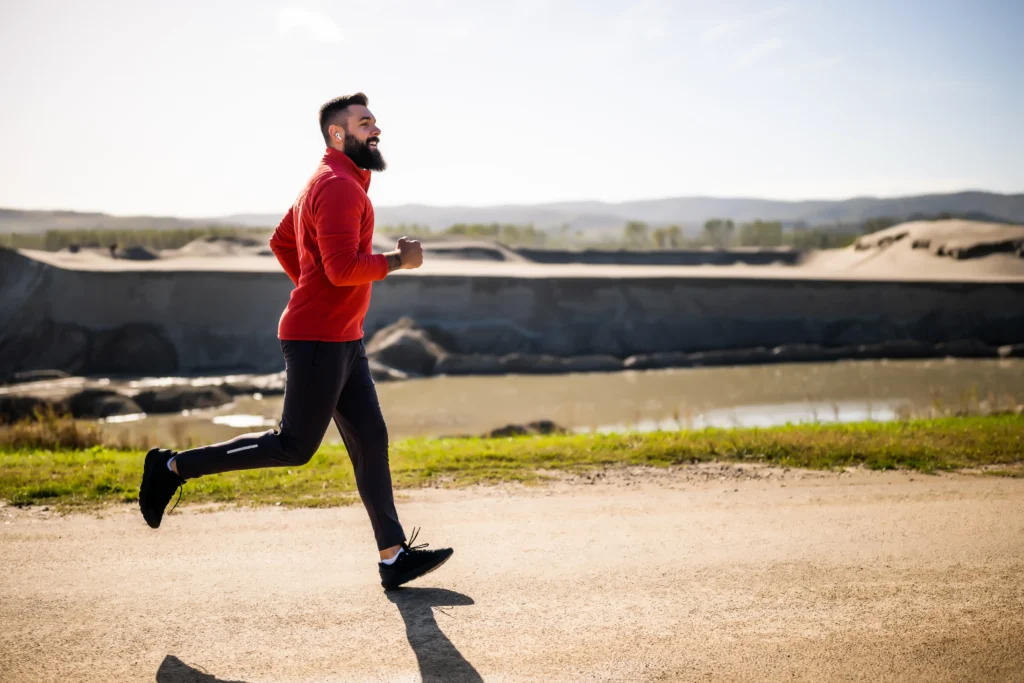
Over several weeks of diligent adherence to his treatment plan, Mark experienced significant improvements. His pain diminished, and he regained ankle flexibility and strength. Mark’s running form improved, and he could return to his favorite activities gradually.
Regular follow-up appointments at Ellis Physical Therapy allowed for ongoing monitoring and adjustments to his treatment plan as needed. Mark learned to manage his condition effectively, recognizing the importance of continuing self-care and early intervention should any symptoms reoccur.
Conclusion:
Mark’s case illustrates the effectiveness of physical therapy at Ellis Physical Therapy in managing and resolving Achilles tendonitis. Through a comprehensive evaluation and a tailored treatment plan addressing both the physical and biomechanical aspects of his condition, he was able to regain his active lifestyle and enjoy pain-free mobility once again.
His success is a testament to the importance of early intervention, education, and proactive self-care in overcoming tendonitis!
We’ve Opened a New Location!
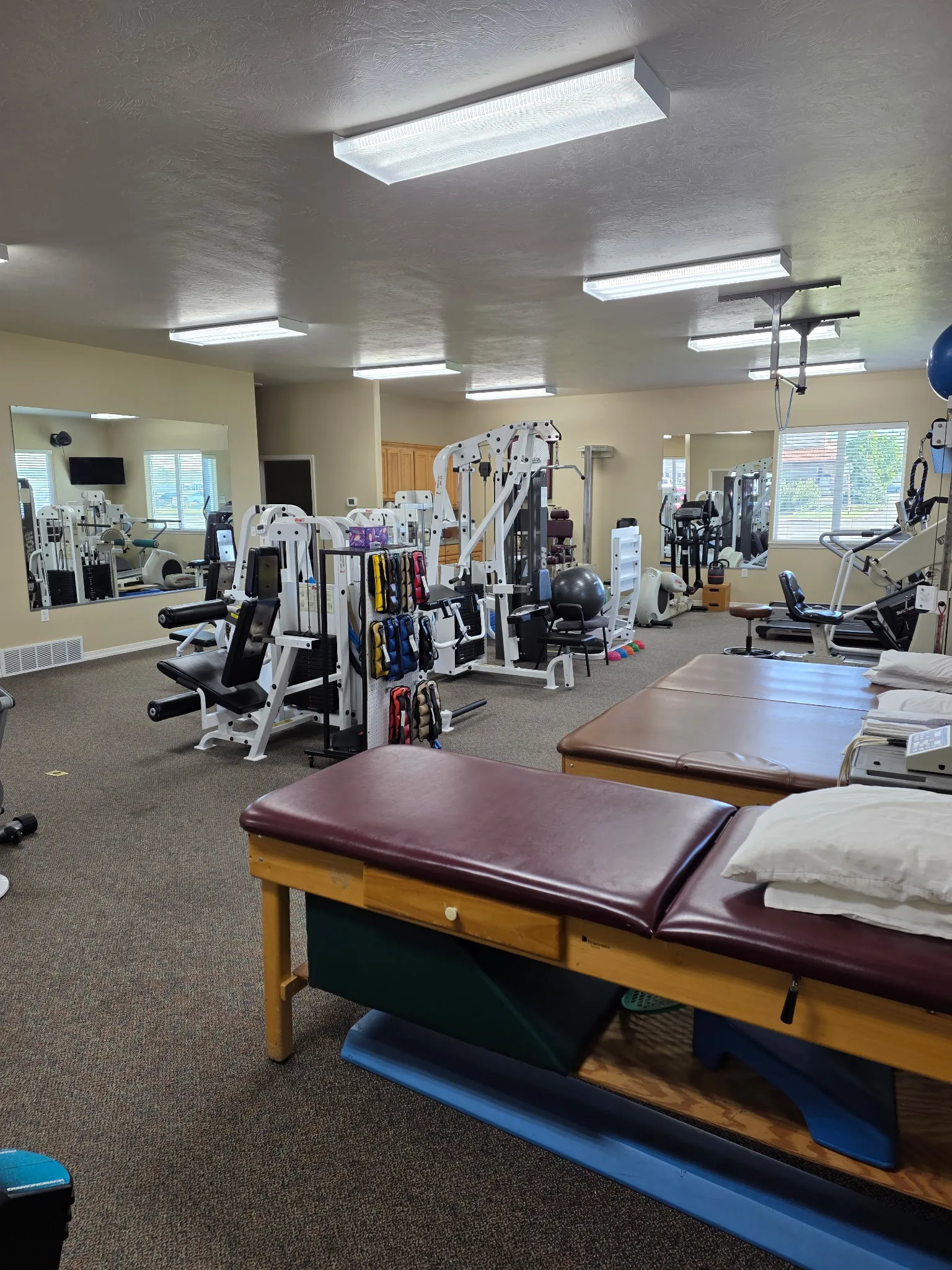
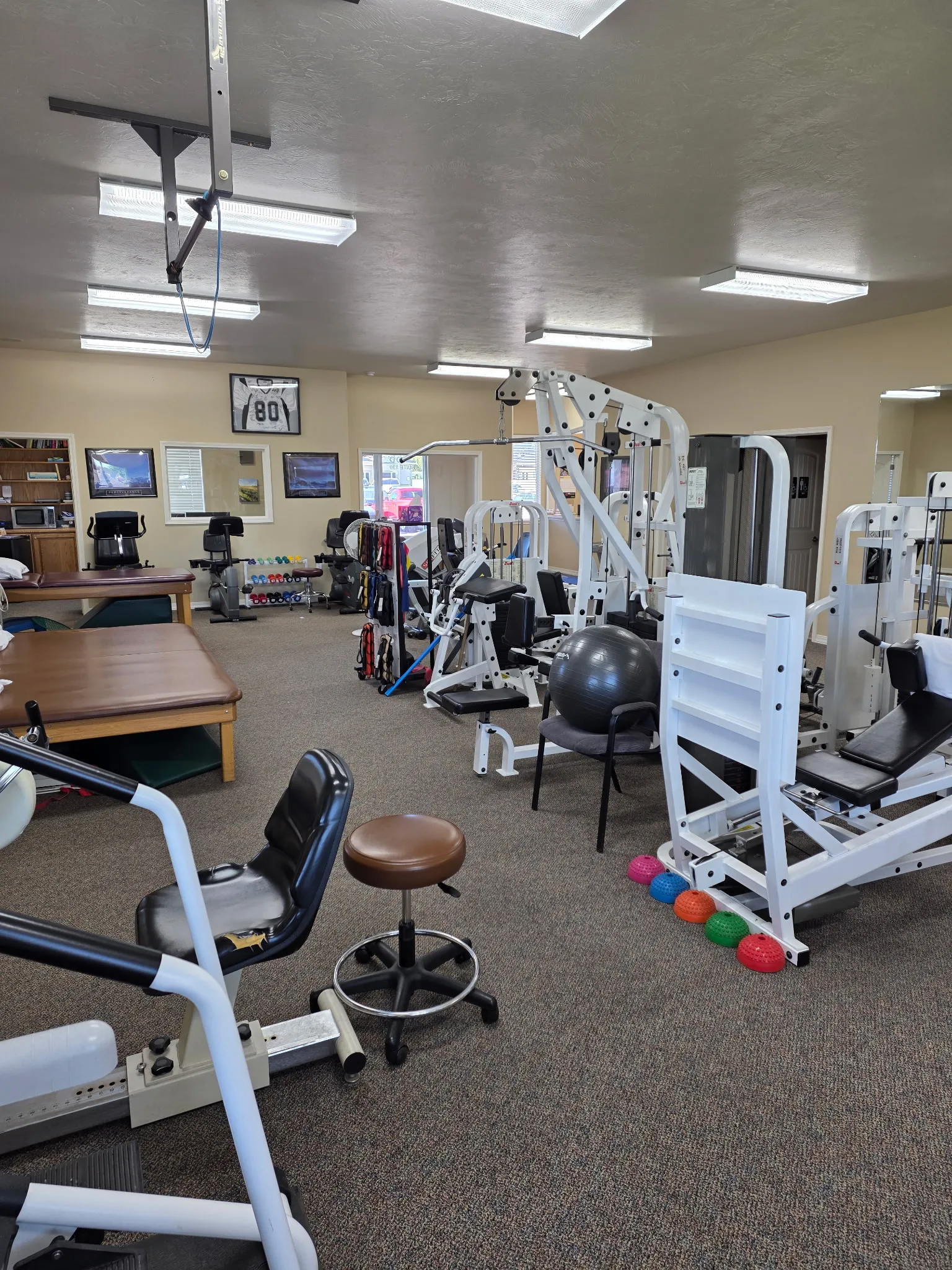
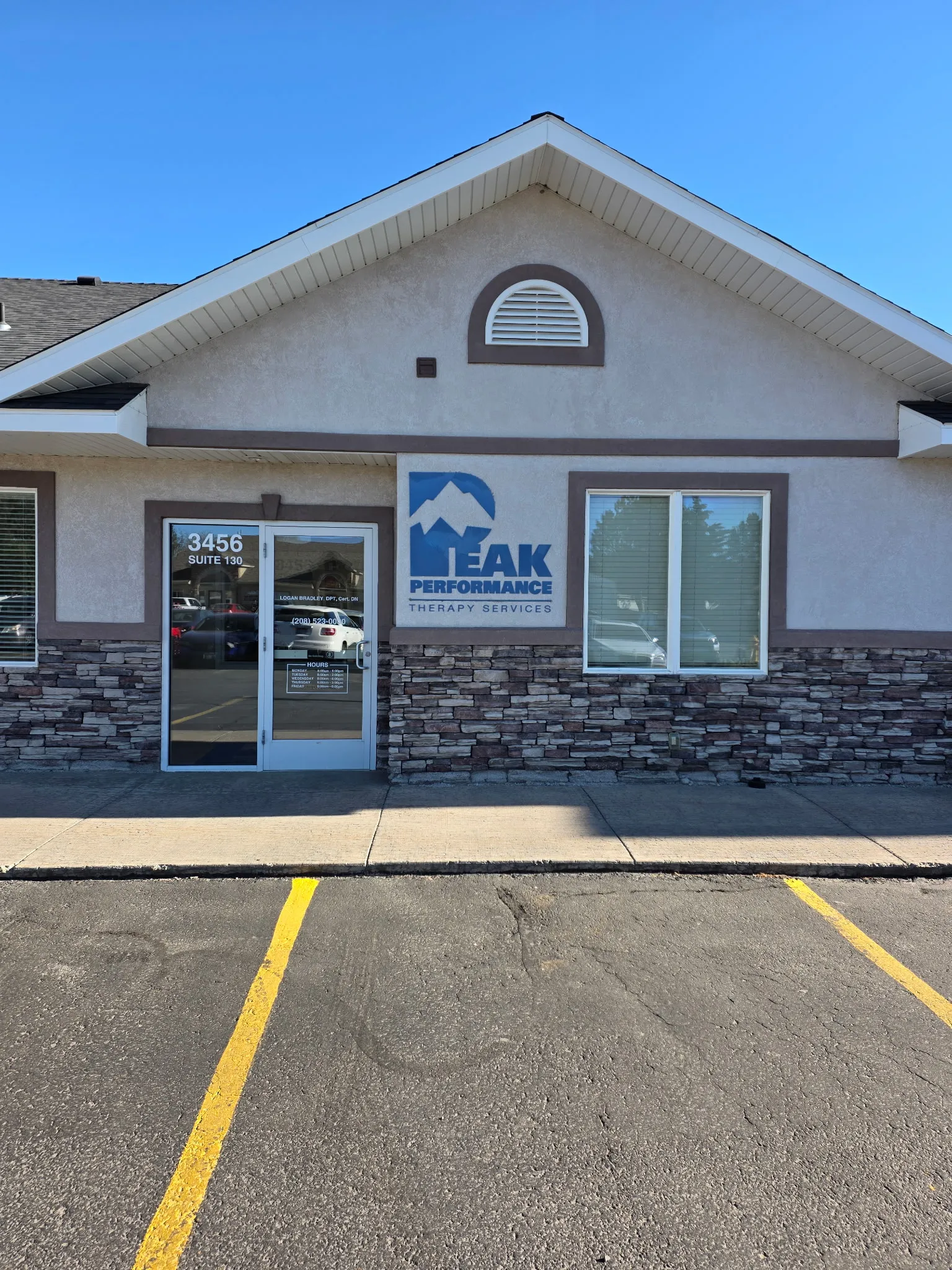

We’re excited to share that Ellis Physical Therapy has expanded with a brand new location: Peak Performance in Ammon, ID! While the clinic may look familiar to some, it’s now under Ellis ownership—meaning you’ll get the same high-quality care, personalized treatment, and trusted approach you’ve come to expect from our team.
If you or someone you know is in the Ammon area, we’d love to help you move and feel your best!
Learn MoreOur Patients Get Great Results
“I was very much satisfied with the service I received from Ellis Physical Therapy! Jay was so helpful and explained the procedures I would need to go through to manage my problem. He also has gone through the process of working with my doctor, as well as assisting me in the purchase of a new Mobility Chair. As an eighty-five year old female, I felt right at home talking with his friendly staff, and Jay! I definitely highly recommend him and his team!”
Supporting Tendon Healing Through Nutrition
Recovery from a tendon injury is a comprehensive process that demands attention to various aspects of healing and well-being. Nutrition plays a pivotal role in facilitating the healing process.
Here’s a list of specific nutrients that support tendon healing:
- Protein: Protein is a cornerstone for tissue repair and collagen synthesis, which is crucial in tendon healing.
- Vitamin C: Vitamin C, found in citrus fruits and other sources, aids collagen formation and tissue repair.
- Vitamin D: Vitamin D indirectly affects tendon health through its role in calcium absorption and bone health: fatty fish, fortified dairy products, and sunlight exposure support vitamin D intake.
- Vitamin E: Vitamin E, present in nuts, seeds, spinach, and fortified cereals, possesses properties that may benefit healing.
- Zinc: Zinc is vital for collagen synthesis and tissue repair. Lean meats, poultry, nuts, and whole grains provide dietary zinc.
- Hydration: Adequate hydration is fundamental for tissue health, aiding nutrient transport and waste removal, including in tendons.
- Antioxidants: A diet rich in antioxidants from fruits and vegetables helps reduce oxidative stress and inflammation, potentially fostering tendon healing.
While nutritional recommendations can support tendon healing, personalized guidance, and targeted exercises from one of our Ellis Physical Therapy experts are essential!
Remember, tendon injuries often require time and persistence. Staying committed to the recovery plan is crucial for long-term success, even when progress is slow!


✨ Staff Spotlight
John Henry Roberts
(PT, DPT)
John Henry Roberts PT, DPT is originally from the southern United States but has lived most of his life in Rigby, Idaho. After graduating from Bonneville High School, he went on a two year mission for The Church of Jesus Christ of Latter-day Saints in Arizona. John Henry attended Brigham Young University-Idaho to complete his Bachelor’s degree in Exercise Physiology with a minor in Nutrition. He graduated with his Doctorate of Physical Therapy from Rocky Mountain University of Health Professions in 2024. He has had clinical rotations in orthopedics, sports, burn therapy, wound care, and acute care settings. John Henry has always had a passion for helping people and looks forward to assisting others on the journey to greater health. He wants to help people elevate their lives by rehabilitating injuries so they can return to doing the things that they are passionate about.
John Henry has always been very active and in his off time, he loves participating in any sport, exercising, fishing, hiking, playing the piano, traveling, and trying new things. He loves to spend time with his wife, Hailey, and their three children that keep them busy.
Request an Appointment at Ellis Physical Therapy Today
It’s essential to keep your health a top priority no matter where you travel or what you do this summer. Keeping track of your progress with your physical therapy exercises is a great way to stay motivated on the go. If you need guidance regarding your existing physical therapy treatment, or you’d like to begin participating in a regular exercise routine, call Ellis Physical Therapy to set up an appointment! We’re here to help you and keep you feeling your best during the summer months, so you can continue to do all the fun things you love!
Exercise of the Month
Lower Trunk Rotations
(Lower Back & Core)
- Start by lying face up on the floor with your knees bent.
- Allow your knees to slowly drop to one side while keeping your shoulders flat on the ground.
- Hold the stretch for 30 seconds.
- Bring your knees back to the starting position.
- Repeat on the opposite side.
- 2 Sets, 2 Reps.
Materials: None
Ingredients
- 4 boneless, skinless chicken breasts
- 2 cups broccoli florets
- 2 cups Brussels sprouts, halved
- 2 cups baby potatoes, halved
- 2 carrots, sliced
- 2 tbsp olive oil
- 2 garlic cloves, minced
- 1 tsp paprika
- 1 tsp Italian seasoning
- ½ tsp garlic powder
- Salt and black pepper to taste
- Fresh parsley and lemon wedges for serving (optional)
Instructions
- Preheat the oven to 400°F and line a large baking sheet with parchment paper.
- Toss the broccoli, Brussels sprouts, potatoes, and carrots with olive oil, garlic, paprika, Italian seasoning, garlic powder, salt, and pepper.
- Season the chicken breasts with salt, pepper, paprika, and Italian seasoning, then place them on the baking sheet alongside the vegetables.
- Roast for 30–35 minutes, stirring the vegetables halfway through, until the chicken reaches an internal temperature of 165°F.
- Let the chicken rest for 5 minutes before slicing and serve with the roasted vegetables. Garnish with fresh parsley and lemon if desired.