



Get Relief for Your Sports Injury and Get Back in the Game!
Thomas was an avid high school soccer player with dreams of making it to the college level. He trained hard and played even harder, but one misstep during a match changed everything. As he lunged for the ball, he felt a sharp pain in his ankle and crumpled to the ground. The diagnosis was quick but disheartening: an ankle sprain.
Fortunately, at Ellis Physical Therapy our therapists are skilled at identifying and treating all types of sports injuries. Our therapists will conduct a whole-body assessment to ensure we identify all the factors that may impact recovery and design our programs tailored to the individual.
Give us a call today to learn more about our programs and set up an appointment with one of our physical therapists!


Our Patients Get Great Results
“My daughter is in her second session of Faster. Her vertical jump increased by three inches after the first session (18 visits). Well worth the cost. Can’t wait to see the gains at the end of the second session. Coach does such a good job with the kids. He helps them with the sports psychology side too.”
– J.F.

Identifying an Ankle Sprain
At first, Thomas didn’t know the severity of his injury. Like many, he thought he could just ‘walk it off.’ However, the key signs were there:
- Pain
- Swelling
- Difficulty putting weight on the foot
Ankle sprains occur when the ligaments that support the ankle stretch beyond their limits and tear. When Thomas landed awkwardly, he twisted his ankle in the process. Although ankle sprains are common in sports and often ignored, getting proper care is critical to quick recovery and reducing the risk of future injuries.
Unfortunately, too often, athletes don’t want to miss out on competing and “play through” injuries. Ankle sprains, in particular, are susceptible to recurrent sprains, especially when not properly rehabilitated.
The Road to Recovery
Thomas’s journey to recovery began with a visit to Ellis Physical Therapy. He was evaluated by one of our skilled physical therapists and given guidance on how to recover quickly and get back into the game!
- Initial Steps: Initially, Thomas’s therapy focused on reducing his pain, eliminating his swelling, and restoring his mobility. This involved:
- M.I.C.E (Move, Ice, Compression, Elevation): This simple method is crucial in the early stages of an ankle sprain. Thomas learned to keep moving his ankle, apply ice to reduce pain and use compression with elevation to reduce the swelling.
- Building Strength and Stability: Once the swelling reduced, Thomas’s therapy shifted gears towards rebuilding strength and stability. This phase included:
- Strengthening Exercises: Thomas worked on exercises to strengthen the muscles around his ankle. These included toe raises and resistance band exercises.
- Balance Training: To regain stability, Thomas practiced balancing exercises. This was crucial to prevent future sprains.
- Regaining Functionality: The final phase of Thomas’s therapy centered on getting him back to his pre-injury level and back on the field. This involved:
- Functional Training: Thomas gradually returned to activities that mimicked soccer movements.
- Sport-Specific Drills: As he regained strength, sport-specific exercises were introduced to prepare him for returning to soccer.
Through his recovery, Thomas also learned how to perform sport-specific warm-ups, the importance of sleep, and regular conditioning to prevent injuries.
Embrace The Recovery Blueprint and Get Back in Action!
Thomas’s story is a reminder of the importance of addressing sports injuries with the guidance from our team at Ellis Physical Therapy. Take the first step in healing your ankle sprain and returning to the sport you love by calling today to schedule an appointment!
Exercise of the Month: SHOULDER EXTENSION SIDE LYING
Lie on your side with your bottom arm resting along your body. Lift the arm backward slightly, keeping it straight, then lower slowly. Focus on controlled movement to build shoulder strength.
Recipe of the Month: Blueberry Muffin Bread

Ingredients:
- 2 cups (250g) all-purpose flour (spooned & leveled)
- 1 teaspoon baking soda
- 1 teaspoon baking powder
- 1/2 teaspoon salt
- 1/2 cup (8 Tbsp; 113g) unsalted butter, softened to room temperature
- 2/3 cup (135g) granulated sugar
- 1/4 cup (50g) packed light or dark brown sugar
- 2 large eggs, at room temperature
- 1/2 cup (120g) sour cream, at room temperature
- 1 and 1/2 teaspoons pure vanilla extract
- 1/3 cup (80ml) milk, at room temperature
- 1 and 1/2 cups (210g) fresh blueberries
- Optional: 2 Tablespoons blueberry jam and/or crumb topping
Instructions:
- Adjust the oven rack to the lower third position and preheat the oven to 350°F (177°C). Grease a 9×5-inch loaf pan or coat with nonstick spray. Set aside.
- Whisk the flour, baking soda, baking powder, and salt together in a large bowl.
- Using a handheld or stand mixer fitted with a paddle or whisk attachment, beat the butter, granulated sugar, and brown sugar together on high speed until smooth and creamy, about 2 minutes. On medium speed, add the eggs one at a time, beating well after each addition. Beat in the sour cream and vanilla extract on medium speed until combined. With the mixer running on low speed, add the dry ingredients and milk into the wet ingredients and beat until no flour pockets remain. Fold in the blueberries.
- Spoon the batter into the prepared baking pan. Bake for 60-65 minutes, loosely covering the bread with aluminum foil at the 30 minute mark to help prevent the top and sides from getting too brown. A toothpick inserted in the center of the loaf will come out clean when the bread is done. Remove from the oven and allow the bread to cool completely in the pan set on a wire rack.
- Cover and store bread at room temperature for 2 days or in the refrigerator for up to 1 week.
Why Ellis Physical Therapy is the Key to Full Recovery After a Sports Injury
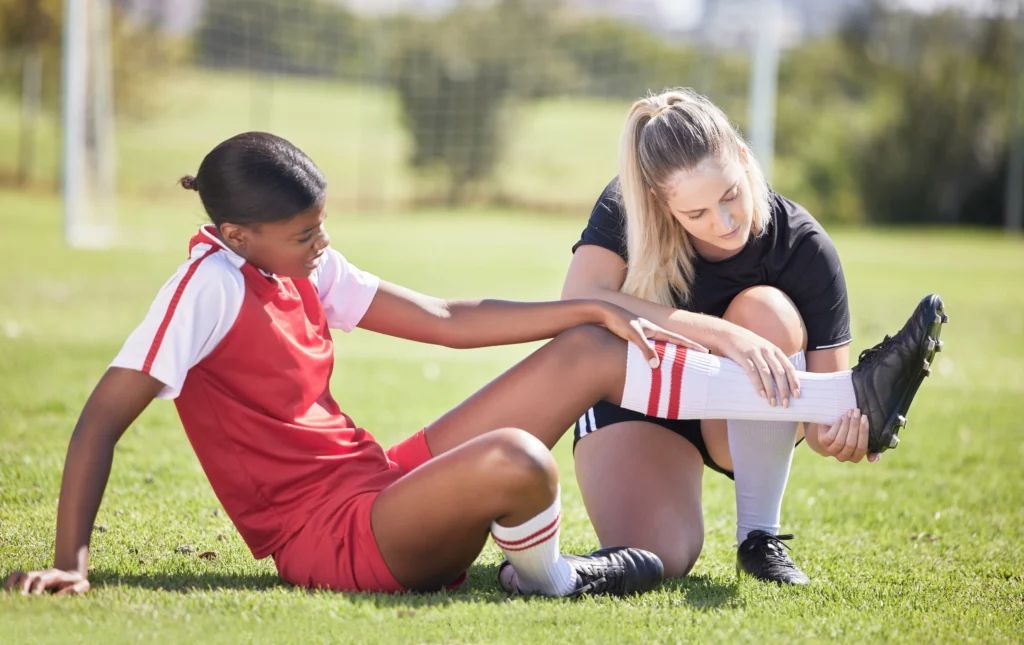
When recovering from a sports injury, time is of the essence, and seeing a physical therapist as soon as possible can be the pivotal factor that leads to a complete and successful rehabilitation. While many may consider these injuries a mere inconvenience, they can have long-lasting consequences if not treated properly from the start.
Here’s some of the common problems with waiting to see one of our physical therapists after a sports injury:
- Incomplete Healing: Ligaments and tissues may never regain their full strength and stability, leaving you vulnerable to further injuries. The longer you wait to address the issue, the more challenging it becomes to recover fully.
- Poor Rehabilitation: Inadequate or improper rehabilitation is a common pitfall that leads to recurrent injuries. Without proper rehabilitation, you risk weakening the supporting structures, setting the stage for another injury.
- Return to Activity Too Soon: One of the biggest mistakes an athlete can make is rushing back into physical activities or sports before a full recovery. It’s understandable to be eager to return to the game, but a premature return can lead to re-injury. Our physical therapists will guide you on when it’s safe to resume your activities, ensuring you don’t jeopardize your progress.
Your Road to Recovery Begins Now — Take Action Today!
When it comes to sports injuries, early intervention by one of our physical therapists is not just a wise choice — it’s a game-changer. Their expertise and guidance can make all the difference between a complete recovery and a cycle of recurrent injuries. Don’t let an injury hold you back; call us today. Your future self will thank you!