



How Posture Affects Neck and Shoulder Health
Meet Sarah, a middle-aged office worker who, like many of us, spends most of her workday sitting at a desk, typing away on a computer. Over the years, Sarah started experiencing persistent neck and shoulder pain that gradually began to affect her quality of life. Little did she know that her posture was a major part of the problem.
This is the story of how Sarah’s journey to better posture relieved her neck and shoulder pain and improved her overall well-being.


Our Patients Get Great Results
“Dr. Jason Bailey worked on me and knew exactly how to relieve my pain. I’ve had chronic muscle pain right around my shoulder blade for years and have never had great luck in relieving it. I’ve tried several solutions but only ever seen temporary results. Massaging feels good in the moment but the pain returns. When I saw Dr. Bailey, he took a look at my shoulder and knew exactly where the pain was. He could pinpoint it on the first try. I constantly ask my wife to massage it and she can never even find the painful spots consistently. I can’t believe Dr. Bailey was able to know right away what was causing the pain. He recommended dry needling. I was hesitant at first because it was new to me and I was in disbelief that it would do anything. He took the time to explain to me the benefits of dry needling, and how it will restart those muscle groups that are locked up and not receiving adequate blood flow. I conceded and he stuck me with a few needles. They weren’t painful in the least. Like not even a prick. I’ve hurt worse getting a haircut! He knew exactly where to stick the needles, and he’d even tell me as he’s doing it that I’ll feel this one more or that one less, etc. I don’t even know how he knew, but he was spot on. I’m a big fan of his and of the dry needling process. I highly recommend you pay him a visit and get yourself the pain relief your body needs!”
– J.M.

The Postural Predicament
Sarah’s days at the office involved long hours spent hunched over her computer engrossed in her work. Her posture was far from ideal, and she rarely paid attention to how she sat or the position of her neck and shoulders. Like many individuals in sedentary jobs, she was unaware of the consequences poor posture could have on her health.
The Painful Wake-Up Call
One day, Sarah began to experience nagging neck pain that radiated into her shoulders. At first, she dismissed it as stress-related tension, but the discomfort persisted. Evenings were no longer enjoyable as the pain in her neck and shoulders made it challenging to relax or engage in her favorite activities. It was a wake-up call that something needed to change.
Seeking Professional Help
Frustrated with the persistent pain, Sarah decided to consult one of our skilled physical therapists at Ellis Physical Therapy, who specialized in postural issues and musculoskeletal health. Her therapist began by comprehensively assessing her medical history as well as Sarah’s posture and movement capabilities.
Understanding the Impact of Poor Posture
Her physical therapist explained to Sarah how her poor posture was contributing to her neck and shoulder pain. Sitting for prolonged periods with her shoulders slouched forward and her head tilted down had placed excessive strain on her neck and shoulder muscles. The therapist also noted that her spine’s natural curvature was affected, further contributing to her pain.
The Treatment Plan at Ellis Physical Therapy
Sarah’s physical therapist developed a tailored treatment plan to address her posture-related issues. The program incorporated various techniques and treatments commonly used by physical therapists to improve posture:
- Postural Education: The therapist educated Sarah about maintaining proper alignment during everyday activities. She learned to sit and stand with a straight back, aligning her head with her spine.
- Exercises: Sarah was given a set of exercises to strengthen her neck, upper back, and core muscles while stretching tight muscles. These exercises were designed to address muscle imbalances contributing to her poor posture.
- Manual Therapy: During therapy sessions, her physical therapist used manual techniques to mobilize Sarah’s spine and alleviate muscle tension. These hands-on interventions helped improve joint mobility and relieve pain.
- Ergonomic Assessment: The therapist provided Sarah with recommendations for her workplace setup and how to make adjustments to promote better posture.
Sarah’s journey to better posture was not without its challenges. It required commitment, consistency, and a willingness to change her daily routine. However, over time, she began to experience significant improvements.
As Sarah diligently followed her exercise routine and ergonomic recommendations, her neck and shoulder pain gradually subsided. She felt more alert and focused at work, which increased productivity. Her improved mood and reduced stress levels were additional benefits of her posture-enhancing journey.
Take Action Today for Better Posture and Health
Sarah’s success story serves as a valuable reminder of how posture affects neck and shoulder health. Poor posture can lead to a variety of musculoskeletal issues, especially in office workers who spend extended hours sitting at desks. However, individuals like Sarah can significantly improve their posture and overall well-being with the right guidance and a commitment to change.
If you are struggling with neck or shoulder pain, give Ellis Physical Therapy a call and schedule a consultation to get the relief you deserve!
Exercise of the Month: BENT OVER ROWS
Hold a weight in your hand. Slightly bend your knees and bend at your waist to bring your torso forward. Make sure your back remains flat and about parallel to the floor. Pull the weight towards you. Make sure your elbows stay close to your body. Slowly return to starting
position. 3 Sets, 10 Reps. (Materials needed: dumbbells)
Recipe of the Month: Egg Roll in a Bowl

Ingredients:
- 1 lb ground turkey or chicken
- ¼ cup yellow onion, chopped
- 3 cloves garlic, minced
- 2 teaspoons fresh ginger, grated or minced
- 1 12-14 oz package coleslaw mix
- ¼ cup low-sodium soy sauce, tamari or coconut aminos
- 2 teaspoons toasted sesame oil
- 1-2 teaspoons sriracha or sambal oelek
- 2 green onions, sliced
- sriracha, for serving (optional)
- sesame seeds and chopped cilantro, for garnish
- cooked cauliflower rice, for serving (optional)
Instructions:
- Heat a large skillet over medium-high heat. Add ground meat and cook until no longer pink, about 5-6 minutes. While cooking, break meat into smaller pieces using a wooden spoon or spatula and season liberally with salt and pepper.
- Add onion, garlic, ginger, coleslaw mix, soy sauce, sesame oil and sriracha to the skillet. Cook for another 5 minutes or so, until cabbage is tender. Taste and add more soy sauce or sriracha, if needed.
- Portion mixture into bowls and top with green onions, sesame seeds and cilantro. Serve with additional soy sauce, sriracha or chili crisp, if desired.
Achieving the Ideal Posture: A Roadmap to Optimal Alignment
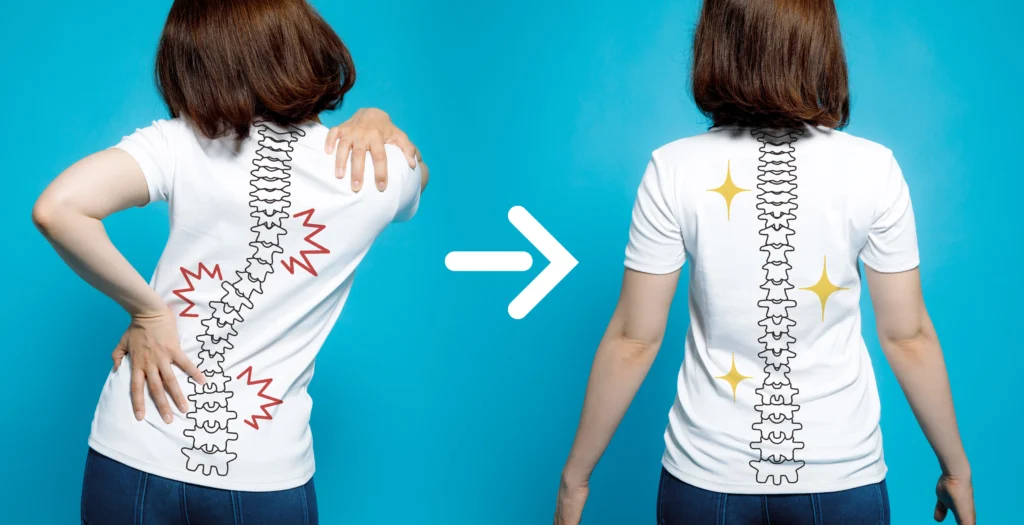
As soon as someone says the word posture, people straighten right up, only to slump back down in a matter of minutes. Unfortunately, there are also a lot of misunderstandings about what “good” posture is.
At Ellis Physical Therapy, we understand that your “ideal” posture is based on your unique characteristics and life situation. Rather than compare you to someone else, we’ll help you find the posture that creates harmony and balance in your body.
Here’s an overview of what to strive for with posture:
- Head: Your head should be positioned over the spine. This helps maintain the natural curvature of the cervical spine (i.e., the neck), ensures the head is neither leaning too far forward nor tilting backward, and prevents undue strain.
- Shoulders: Your shoulders should be gently pulled back and relaxed, not slouched forward. This posture opens the chest, allowing unrestricted breathing and optimal circulation.
- Spine: The spine exhibits three primary curves: cervical (neck), thoracic (mid-back), and lumbar (lower back). Good posture ensures these curves remain intact, avoiding excessive arching or rounding.
Our therapists will develop a personalized plan tailored to your unique needs based on the assessment. This plan may include exercises, stretches, and techniques to address specific posture-related challenges.
Embrace Your Journey to Ideal Posture Today for a Healthier Tomorrow
Ideal posture is about alignment, balance, and harmony within your body. Our therapists are your partners, helping you identify your unique ideal posture and providing the guidance and support needed to attain it.
Call today to set up a consultation with one of our specialists!