



How To Fix Improper Posture for Back and Neck Pain Relief
“Stand up straight!” has been a refrain from parents throughout the ages, but is it really that important? Actually – yes, it is!
Many people assume maintaining proper posture is about appearance: looking tall and confident. In reality, improper posture can cause pain in your neck and upper back and put pressure on your spine, leading to an increased injury risk. But what exactly is proper posture? It probably won’t surprise you to learn that it’s more complicated than merely standing up straight. Instead, it’s more about finding the right spinal alignment for your body – and that’s something the physical therapists at Ellis Physical Therapy can help you with!
If you’re struggling with persistent neck or back pain, it may be time to visit us for a postural assessment. We’ll help pinpoint any impairments or imbalances in your spine that might be causing problems and then provide strategies for maintaining your postural alignment throughout the day. Call us to schedule an appointment for your initial consultation!


Our Patients Get Great Results
“Dr. Jason Bailey worked on me and knew exactly how to relieve my pain. I’ve had chronic muscle pain right around my shoulder blade for years and have never had great luck in relieving it. I’ve tried several solutions but only ever seen temporary results. Massaging feels good in the moment but the pain returns. When I saw Dr. Bailey, he took a look at my shoulder and knew exactly where the pain was. He could pinpoint it on the first try. I constantly ask my wife to massage it and she can never even find the painful spots consistently. I can’t believe Dr. Bailey was able to know right away what was causing the pain. He recommended dry needling. I was hesitant at first because it was new to me and I was in disbelief that it would do anything. He took the time to explain to me the benefits of dry needling, and how it will restart those muscle groups that are locked up and not receiving adequate blood flow. I conceded and he stuck me with a few needles. They weren’t painful in the least – like not even a prick. I’ve hurt worse getting a haircut! He knew exactly where to stick the needles, and he’d even tell me as he’s doing it that I’ll feel this one more or that one less, etc. I don’t even know how he knew, but he was spot on. I’m a big fan of his and of the dry needling process. I highly recommend you pay him a visit and get yourself the pain relief your body needs!”
– J.M.
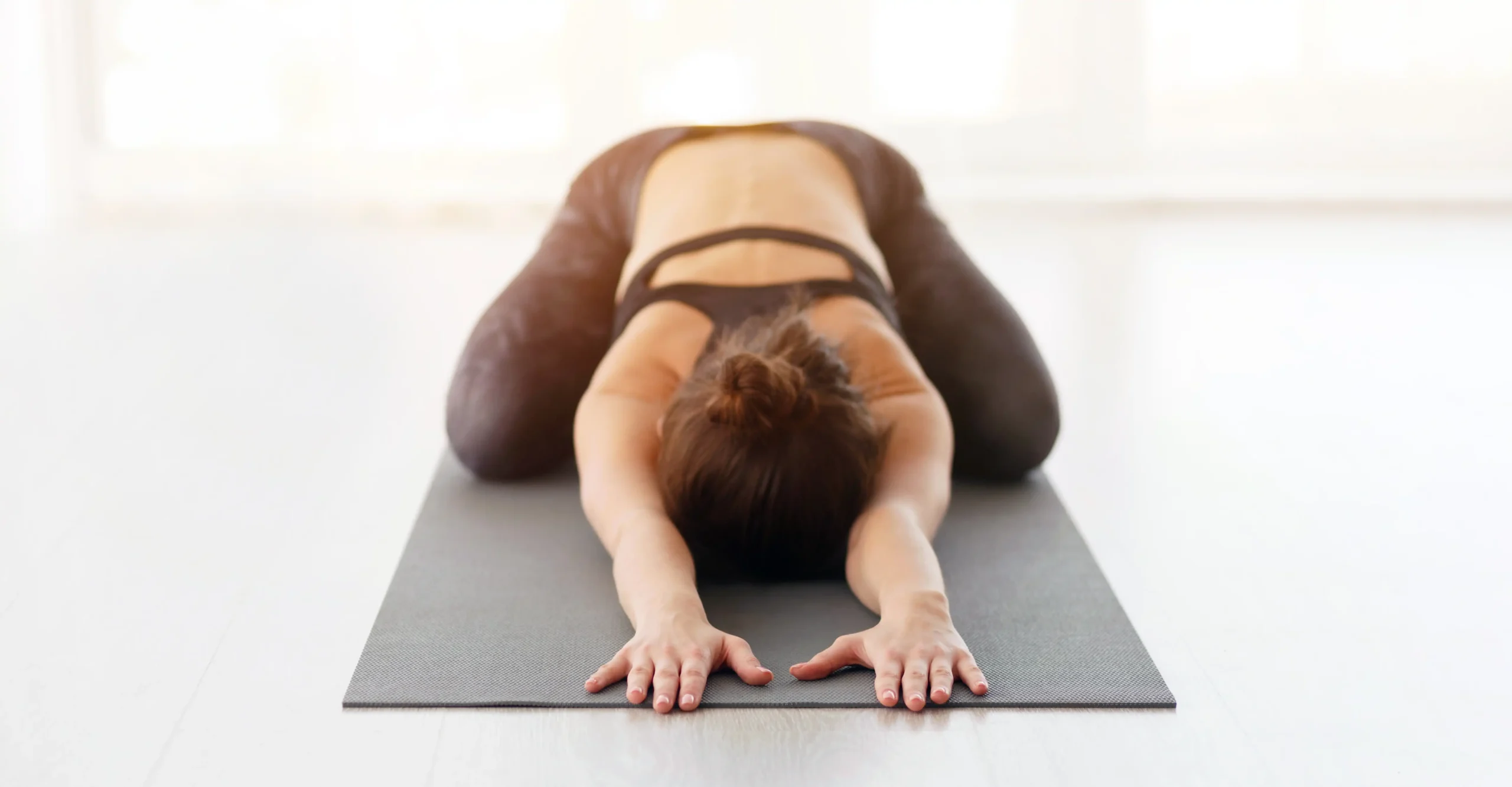
Exercise of the Month
Child’s Pose
- Sit on your shins with your knees together, your big toes touching, and your heels splayed out to the side.
- Fold forward at your hips and walk your hands out in front of you. Sink your hips back down toward your feet. Gently place your forehead on the floor or turn your head to one side.
- Keep your arms extended or rest them along your body. Breathe deeply into the back of your rib cage and waist.
- Relax in this pose for up to 5 minutes while continuing to breathe deeply.
Understanding Proper Posture: Movement and Awareness is Key
Let’s get this out of the way first: There’s no universal “ideal posture” that will work for everyone. Even common advice like “stand up straight” isn’t particularly helpful: for one, no one’s spine is ever perfectly straight since it has a natural curve pattern. For another, you don’t spend your entire life standing still.
Rather than aiming for a non-existent “perfect” posture, you want to focus on two things:
- Postural Awareness: People don’t set out to have bad posture. You might start the day telling yourself you’re not going to slouch – but then, as you get busy with other tasks, posture becomes the last thing on your mind. By staying more aware of your posture, you can more easily adapt to the various positions you have to hold throughout the day.
- Avoid Prolonged Postures: Your body wants to move. Holding the same posture for extended periods (even if you’re sitting up straight and have everything in alignment) is still going to cause problems! Rather than aiming for a “perfect” posture, make sure to change your positions throughout the day. Alternate between sitting and standing. Switch positions. Get up and move around. In short – try to stay as active as possible.
The Relationship Between Posture & Pain
Neck and back pain have several potential causes and contributing factors. Improper posture is often one of them. When you lose your postural awareness and start to slouch, it puts extra strain on the muscles that support your spine, particularly the muscles in your neck and upper back. This can lead to overuse injuries that cause pain or restricted mobility.
Remaining in prolonged postures (particularly sitting) also puts extra strain on your back muscles. When you get up and move around – even if it’s just for a few minutes – you relieve that pressure. Staying active also helps strengthen the muscles of your back and core, which helps prevent common musculoskeletal injuries that can cause pain and dysfunction.
Physical Therapy’s Role in Improving Posture
When you visit us for your appointment, here’s what we’ll do to help you improve your posture and reduce your back and neck pain:
- We start with a comprehensive postural assessment. We’ll take a look at your posture when you’re sitting, standing, and moving, looking for potential areas of dysfunction. We’ll also take a complete health history and might run some additional screens, too, testing for strength, mobility, balance, and more.
- We help with any acute pain. Manual therapy techniques and targeted mobility exercises can help relieve your pain and help you get your body’s function back.
- We help strengthen any weak muscles: Targeted strengthening exercises will help correct any muscular imbalances stemming from improper posture, providing better support and stability to your spine.
- We offer personalized postural corrections: The final piece of the puzzle helps ensure lasting relief. We’ll provide a customized postural improvement plan that speaks to your unique needs and impairments.

Start Improving Your Posture Today!
Fixing improper posture isn’t a one-and-done affair, but a visit to Ellis Physical Therapy can help you get started. Call us to schedule your appointment today!
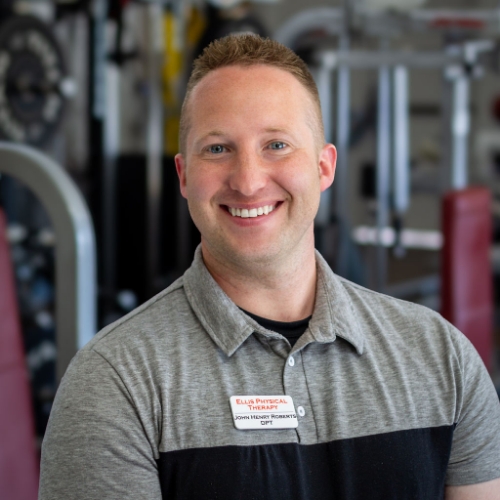
Welcome John Henry Roberts
John Henry Roberts PT, DPT is originally from the southern United States but has lived most of his life in Rigby, Idaho. After graduating from Bonneville High School, he went on a two year mission for The Church of Jesus Christ of Latter-day Saints in Arizona. John Henry attended Brigham Young University-Idaho to complete his Bachelor’s degree in Exercise physiology with a minor in Nutrition. He graduated with his Doctorate of Physical Therapy from Rocky Mountain University of Health Professions in 2024. He has had clinical rotations in orthopedics, sports, burn therapy, wound care, and acute care settings. John Henry has always had a passion for helping people and looks forward to assisting others on the journey to greater health. He wants to help people elevate their lives by rehabilitating injuries so they can return to doing the things that they are passionate about.
John Henry has always been very active and in his off time, he loves participating in any sport, exercising, fishing, hiking, playing the piano, traveling, and trying new things. He loves to spend time with his wife, Hailey, and their two children that keep them busy.
Stealthy Exercises To Do At Your Work Desk
If you have an office job, it’s essential that you take breaks from sitting. Prolonged sitting strains our back and neck muscles, leading to pain and other impairments. One way to combat this is to set a timer to go off every 30 minutes to an hour, reminding you to stop what you’re doing and take a few minutes to move: for instance, get up and walk around the office or do some simple stretches.
But sometimes, that’s just not possible. Fortunately, these stealth exercises allow you to work your core and back muscles without drawing a lot of attention to yourself.
- Chair Squats: If you don’t need to be super-stealthy, chair squats are a good way to get some movement in. Push your chair away from your desk so you can stand up without using your hands. Then move to sit back down–but stop right before you hit the chair. Repeat as many times as you need.
- Core Activation: Sit up tall in your chair with your pelvis tilted forward. Squeeze your core muscles tightly and hold for 15 seconds (don’t forget to breathe). Then, release and repeat. You can build the intensity by lifting one foot at a time as you engage your core.
- Seated Twists: Sit up tall with your core activated. Take a deep breath in. Then, as you exhale, twist to one side. There, take five deep breaths, then return to facing the front. Repeat the process on the other side.

New England Clam Chowder
Ingredients:
- 19.5 oz chopped clams in clam juice 3 x 6.5oz cans
- 8 ounces clam juice
- 6 slices thick cut bacon chopped
- 1 tablespoon butter
- 2 ribs celery finely chopped
- 1 large onion chopped
- 1 ¼ pounds russet potatoes peeled and diced into ½-inch cubes, approx. 3 ½ cups
- 4 cloves garlic minced
- ⅓ cup all-purpose flour
- 2 cups reduced sodium chicken broth
- 2 teaspoons chicken bouillon
- 2 bay leaves
- ½ teaspoon dried parsley
- ½ teaspoon dried oregano
- ½ teaspoon salt
- ¼ teaspoon dried thyme leaves
- 1 cup heavy whipping cream
- ¼ teaspoon black pepper
- Oyster crackers
- chopped fresh parsley
Directions:
-
Drain clam juice from cans into a measuring cup. Add enough bottled clam juice to equal 2 ½ cups. Set aside.
-
In a Dutch oven, cook bacon over medium heat until fat is rendered and slightly brown. Remove half of the bacon with a slotted spoon to a paper towel lined plate. To the remaining bacon and drippings, melt in 1 tablespoon butter over medium heat.
-
Increase heat to medium high and add celery and onion. Saute for 5-7 minutes or until onions are soft. Add potatoes, garlic, red pepper flakes (if using) and sauté 30 seconds. Sprinkle in flour and cook an additional 1 minute. Stir in chicken broth, reserved 2 ½ cups clam juice, chicken bouillon, bay leaves and all seasonings. Bring to a boil then reduce to a simmer. Simmer, uncovered, for 15-20 minutes or until potatoes are very tender.
-
Stir in heavy cream and bring to a simmer to heat through. Discard bay leaves. Remove from heat and stir in clams. Taste and add salt/pepper to taste. (You may or may not need additional salt depending on how salty your clams and bacon are.) For a thinner or less chunky soup stir in additional heavy cream/milk or chicken broth.
-
Top individual servings with reserved bacon and oyster crackers and fresh parsley if desired.
Sources:
- https://www.physio-pedia.com/Posture
- https://www.ncbi.nlm.nih.gov/pmc/articles/PMC4499985/
- https://www.spendwithpennies.com/new-england-clam-chowder/
- https://www.cdc.gov/workplacehealthpromotion/initiatives/resource-center/pdf/Workplace-Physical-Activity-Break-Guide-508.pdf
- https://www.ncbi.nlm.nih.gov/pmc/articles/PMC9162294/