

Patellofemoral Pain Syndrome: Why Your Kneecap Hurts
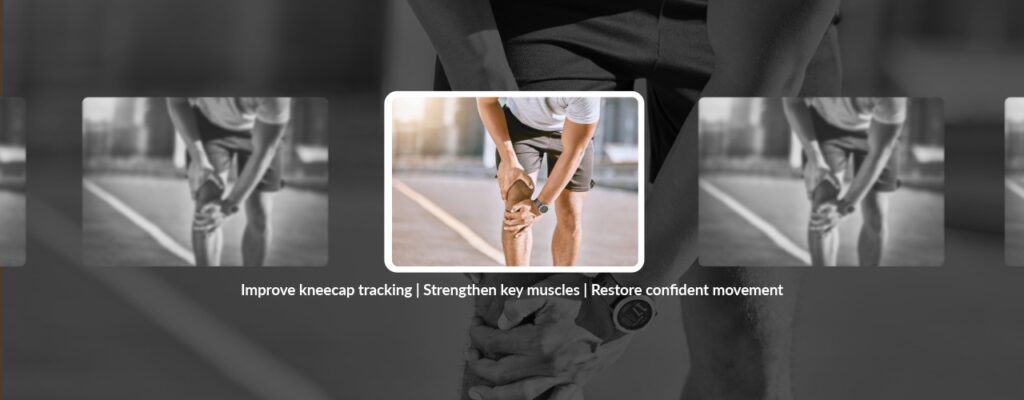
A dull, aching pain behind or around your kneecap can make daily physical activities feel like a constant struggle. You might notice this sharp discomfort while walking down a flight of stairs, squatting to pick up something, or taking a long run. When front knee soreness limits your training, seeking patellofemoral pain syndrome physical therapy delivers a clear, effective path to restore comfortable joint movement. Contact Ellis Physical Therapy to schedule an evaluation.
Understanding the Anatomy of a Patellofemoral Pain Syndrome Issue
Your kneecap (patella) sits inside a thick tendon connecting your large thigh muscle to your shin bone. Under normal conditions, the kneecap glides smoothly up and down inside a shallow groove on the front of your thigh bone as you bend and straighten your leg.
When the joint works properly, articular cartilage lining the back of the kneecap absorbs impact and allows effortless tracking. However, if the kneecap shifts slightly out of alignment within that groove, high physical pressure accumulates on tiny areas of cartilage, leading to localized irritation, joint warmth, and soreness.
Common Drivers of Patellofemoral Discomfort
Kneecap tracking issues rarely stem from a sudden, traumatic tear. Instead, they usually develop gradually due to subtle physical imbalances:
Weak Hip and Gluteal Stabilizers
- Poor hip strength allows the thigh bone to rotate inward during walking or running, shifting the kneecap groove underneath.
Muscle Tightness Around the Joint
- Stiff calf muscles, tight hamstrings, or restricted outer thigh tissues pull on the kneecap unequally.
Poor Foot and Ankle Mechanics
- Excessive inward rolling of the foot (pronation) alters the alignment of the lower leg during every step.
Sudden Shifts in Training Volume
- Increasing workout intensity, running mileage, or jump reps too quickly overloads sensitive joint tissues.
Understanding these drivers explains why targeted patellofemoral pain syndrome physical therapy focuses on overall lower body mechanics rather than just the knee joint itself.
What a Patellofemoral Issue Feels Like Daily
Dealing with front knee pain affects more than just your sports performance. Sitting for long periods with bent knees, such as driving, sitting at a work desk, or watching a movie, can cause a deep, stiff ache often referred to as movie-theater sign. You may also hear popping or grinding sounds when standing up, or feel hesitant to trust your knee strength when walking on uneven ground.
Treating Paellofemoral Pain Syndrome
Practical First Steps for Knee Relief
Taking practical initial steps at home can help calm irritated joint tissues before you start care:
- Switch from high-impact jumping or hill running to low-impact movements like swimming or cycling.
- Perform gentle, pain-free quad stretches to reduce tension pulling directly on the kneecap.
- Wear shoes that provide comfortable arch support during long hours of standing or walking.
- Keep your legs loosely extended when sitting for long periods to reduce kneecap pressure.
Physical Therapy Treatment for Patellofemoral Pain Syndrome
Finding true solutions requires a thorough physical assessment. An intake at Ellis Physical Therapy examines several key movement markers:
- Single-leg squat alignment and dynamic knee control.
- Strength levels in your hip abductors, gluteal muscles, and quadriceps.
- Ankle dorsiflexion flexibility and foot arch support during gait.
- Kneecap mobility and surrounding soft tissue tension.
A tailored care plan helps rebuild strength and balance across your lower body. Utilizing evidence-based patellofemoral pain syndrome physical therapy combines targeted muscle strengthening, joint mobilizations, and movement retraining to correct tracking issues.
Building strength in your lateral hips keeps your thigh bone stable while you run. Improving ankle movement reduces unnecessary foot collapse, allowing your kneecap to glide freely inside its groove. Guided movement coaching helps you regain full knee confidence during squats, lunges, and athletic steps.
Take the First Step Toward Comfortable Movement
Rebuilding knee health is a clear, achievable process when you have proper support. During your initial appointment at Ellis Physical Therapy, our clinical team listens to your personal story, performs a detailed movement check, and maps out a comfortable path back to your favorite sports and daily habits. Exploring specialized patellofemoral pain syndrome physical therapy helps you move without fear of front knee pain.