

What Is Manual Therapy and Its Benefits?
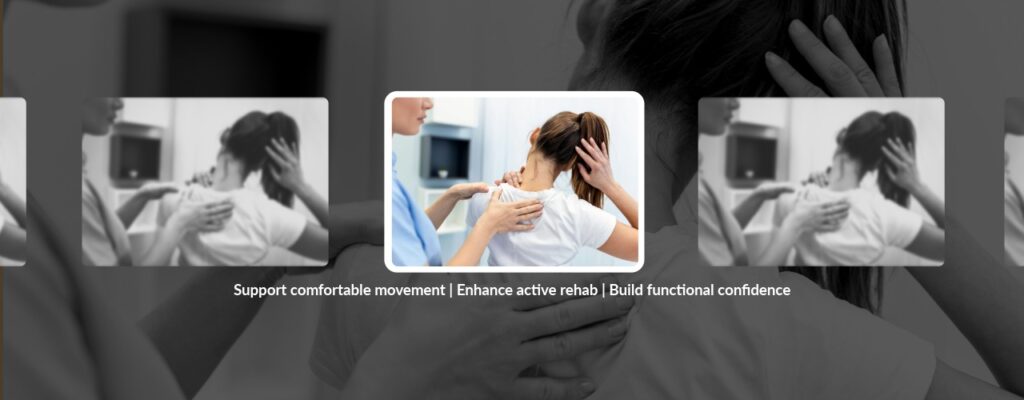
Physical therapy is often associated with exercise, but treatment can also include skilled hands-on techniques. Manual therapy may be used to influence joint movement, address symptoms, and make certain movements easier to perform. Understanding manual therapy physical therapy benefits can help you see why a physical therapist might include hands-on care alongside strengthening, mobility work, and other active treatments.
At Ellis Physical Therapy, manual therapy can be incorporated into a broader plan based on the movements and activities you want to improve.
Steps to Better Understand Manual Therapy
1. Understand What Manual Therapy Actually Is
Manual therapy describes hands-on techniques performed by a trained clinician. Depending on your condition and treatment goals, a physical therapist may use joint mobilization, manipulation, or soft-tissue techniques. These approaches apply different types of movement or pressure to the body.
The specific technique matters less than the reason it is being used. Manual therapy should have a purpose that connects to your symptoms, movement, or functional goals.
2. Use Hands-On Care to Support Comfortable Movement
One potential benefit of manual therapy is a short-term change in symptoms or mobility. For example, joint mobilization may be incorporated when limited movement is affecting an activity. Soft-tissue techniques may also be used in some situations to help manage symptoms.
Clinical guidelines for conditions such as low back pain include joint mobilization among recommended interventions for appropriate patients, with soft-tissue mobilization also having a potential role in some presentations.
When considering manual therapy physical therapy benefits, the important question is what you can do with that change. Improved comfort or movement may create an opportunity to participate more fully in exercise and everyday activities.
3. Combine Manual Therapy With Active Treatment
Manual therapy does not need to compete with exercise. The two can serve different purposes within the same rehabilitation program. If a hands-on technique makes a movement more comfortable, your physical therapist may follow it with exercises designed to develop strength, endurance, mobility, or movement control.
For neck pain, for example, clinical guidance supports combining mobilization or manipulation with exercise for appropriate patient groups rather than relying solely on passive treatment. This combination helps shift rehabilitation toward abilities you can continue developing outside the clinic.
4. Know What Manual Therapy Physical Therapy Benefits Do Not Include
You may have heard manual therapy described as putting a joint “back into place,” permanently correcting alignment, or breaking apart problematic tissue. Those explanations can oversimplify what happens during treatment.
Physical therapists do not need to claim that your body is misaligned for manual therapy to have a useful role. Instead, hands-on techniques can be selected for specific goals such as influencing symptoms or improving movement in the short term.
This distinction matters because rehabilitation should help you become more capable, not leave you feeling as though your body needs to be repeatedly corrected by someone else.
5. Connect Better Movement to the Activities You Enjoy
For active adults, changes in mobility or symptoms become most useful when they carry over into real activities. A golfer with limited comfortable rotation may want to return to swinging with confidence. A weightlifter may be working toward pressing or squatting comfortably again. A recreational runner may need enough mobility and strength to tolerate increasing mileage.
Manual therapy physical therapy benefits can therefore be considered within the context of the larger goal. Hands-on treatment may be one step, while progressive exercise prepares the body for the actual demands of work, fitness, or sports.
6. Expect Treatment to Be Individualized
Not every physical therapy patient needs manual therapy. Two people with pain in the same location may have different limitations, goals, and treatment plans. One may benefit from incorporating manual techniques, while another may progress effectively with exercise, education, and activity changes.
Your physical therapist can determine whether hands-on treatment adds something useful based on your assessment and response to care.
This individualized approach also means manual therapy can change over time. A technique that is helpful early in rehabilitation may become less important as you regain movement and advance toward more demanding exercises.
Make Hands-On Care Part of a Bigger Plan
The most useful way to think about manual therapy physical therapy benefits is not as a quick correction for something wrong with your body. Manual therapy is one tool a physical therapist can use to support movement and symptom management while active rehabilitation builds the abilities needed for lasting function.
At Ellis Physical Therapy, discover how hands-on treatment and progressive exercise can work together to help you move from feeling limited to taking on more of the activities that matter to you.